Image
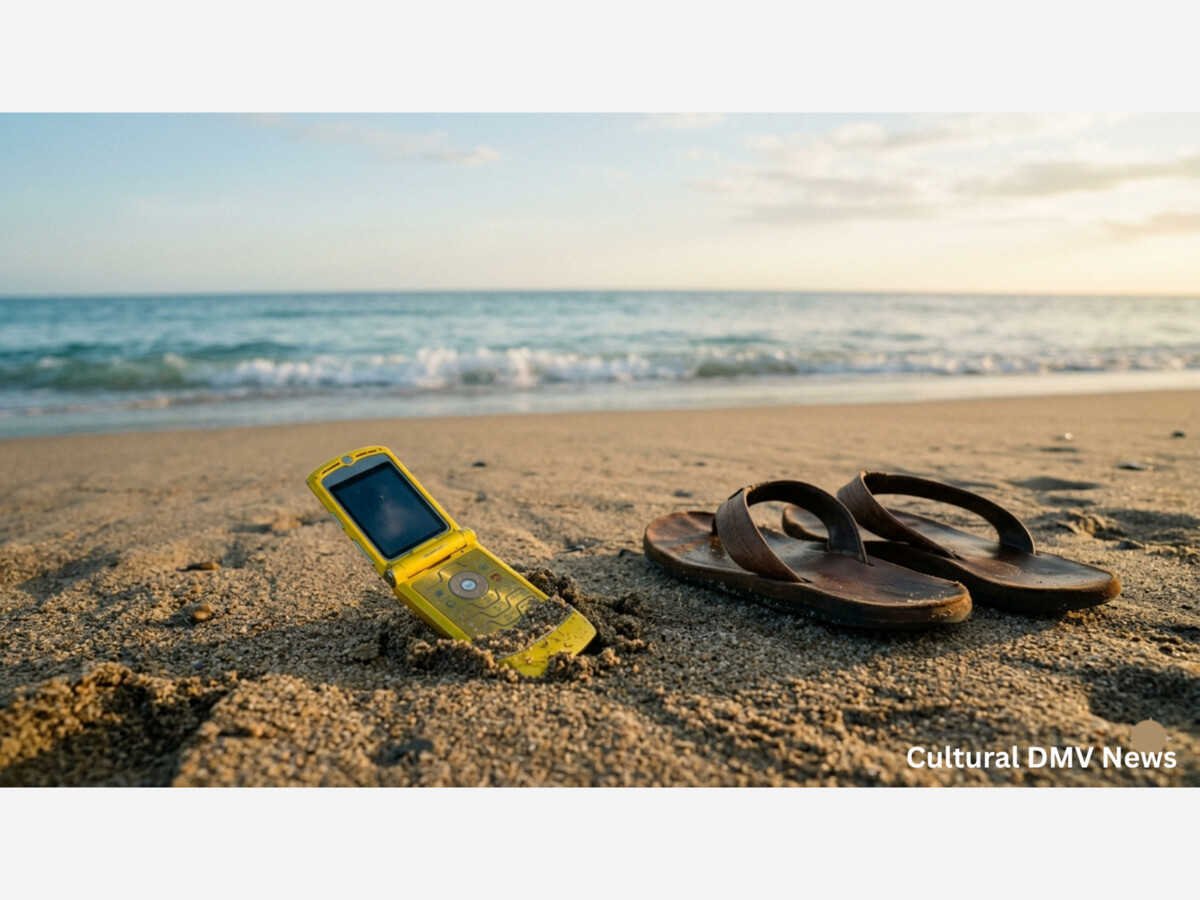
No notifications. Just waves.



Or, why the flip phone holdouts were right all along.
In Takoma Park, a self-declared Nuclear-Free Zone, some residents are now staging a much smaller, quieter revolution. Flip phones at the Co-op. Flip phones at Republic.
They were not fighting anything. They just noticed the shiny glass had become the master.
Ten years ago, a large number of them walked among us, blissfully unbothered. They carried a scuffed Motorola Razr or a Nokia brick that could survive a fall from a moving car. The phone lived in a pocket or a bag, not a death grip. Calls were answered—or not. Voicemail was a reasonable outcome. Texting was functional, not consuming. And when the conversation ended, the phone disappeared back into the pocket until the next time it was actually needed.
They were the last defenders of the right to be unreachable. The final holdouts before the magic glass era seduced the rest of us into total surrender.
And surrender we did. GPS that knew where we were before we did. Real-time news flooding our pockets. Banking, dating, boarding passes, maps, reviews, apps to remind us to drink water—all of it, right there, in one glowing rectangle. It did not feel like a leash at first. But that is exactly what it became.
Let me give you the numbers. They are not pretty, but they are worth knowing before your week fills up with buzzes, pings and beeps.
There are now roughly 6.84 billion smartphones buzzing around the planet. That is almost one for every human being on Earth.
American adults spend an average of 4 hours and 37 minutes on their phones every single day. That adds up to over 70 days a year. You are spending nearly two and a half months of every year staring at a screen the size of a slice of bread.
The average user picks up their phone 186 times a day. That is every five minutes and ten seconds of your waking life. Within ten minutes of waking up, 85% of us have that little rectangle in hand.
And nearly half of Americans—44% —report genuine, measurable anxiety if they do not have their device. There is even a name for it: nomophobia (no-mobile-phone phobia).
The younger generation has a name for what this feels like: "brain rot." That is their term, not mine. It describes the feeling of being overstimulated, disoriented, and hollow after hours of frantic, choppy, meaningless content.
A December 2025 study published in Pediatrics found that 12-year-olds who owned smartphones had:
Compared to their peers without smartphones. The younger the child was when they got the phone, the higher the odds.
The authors put it bluntly: smartphone ownership at a young age "grants youth unfettered access to a world for which they may not be ready, without the discipline to effectively manage their own use."
The kids know this. They are the ones living it. And some of them are doing something about it.
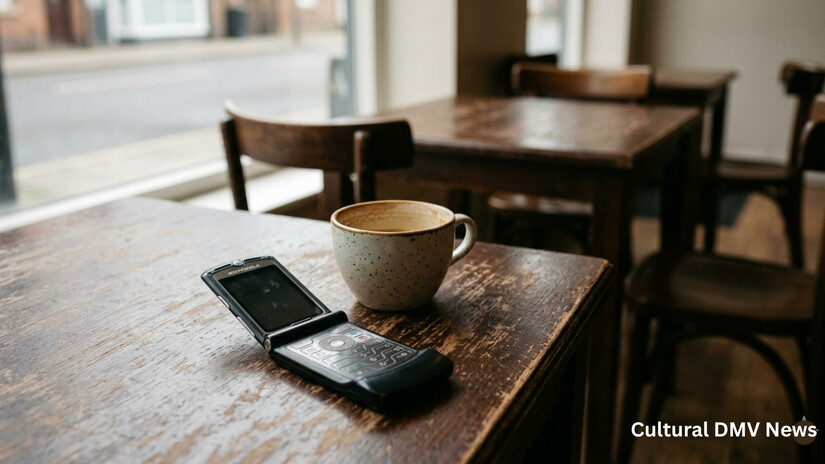 The quiet choice.
Here is where the story gets interesting. Around the world, entire countries and generations are not waiting for families to figure this out on their own. They are already acting.
France banned mobile phones in primary, middle, and secondary schools back in 2018. The law applies to all electronic devices. It is enforced. It is not a suggestion.
The Netherlands followed in 2024, banning phones, tablets, and smartwatches from classrooms. School is for learning, not for scrolling.
China took a different approach. The government's "Youth Mode" regulations limit screen time for minors and restrict late-night access to online gaming.
And here is the most surprising part: the kids themselves are leading a rebellion. Across China, Gen Z and Gen Alpha are flocking to secondhand platforms to buy old-school flip phones, MP3 players, and CCD cameras. A 15-year-old iPhone 4 that was worth a dollar for recycling now sells for 150to150to300 on the secondhand market. That is a 60x increase.
Why? Because a device with no social media, no infinite scroll, and no algorithm is not a downgrade. It is liberation.
In the United States, the Wait Until 8th movement has gathered over 115,000 parents who have pledged to delay smartphone ownership until at least the end of 8th grade.
So, what do you do if you want to change things in your own home? Here is what the experts actually recommend.
The "phone basket" is a strategy that family therapists and digital wellness advocates have been promoting for several years. The idea is simple: a container by the front door where every device lands when you walk in. But for it to work, the experts say you have to do it right.
We are not going to tell you to throw your phone in a lake. But researchers who study digital habits have found that small, low-friction changes can actually work.
The American Psychological Association has published guidance on how to address screen time without starting a fight. Their recommendation, paraphrased: use "I" statements, avoid accusatory language, and invite collaboration rather than issuing demands.
A script based on APA guidance might sound like this:
"Hey, I have been feeling like I am on my phone way too much. Would you be open to trying a 'phone basket' with me for one hour after dinner? Just to see if it is terrible or actually kind of nice?"
No accusation. No "you are addicted." Just an invitation.
The American Academy of Pediatrics has noted that screen time reduction is most effective when families replace screens with structured, high-interest alternatives. Some ideas that have emerged from family therapy literature:
The goal, according to digital wellness researchers, is not to eliminate screens entirely. It is to make them optional instead of default.
The flip phone holdouts were not crazy reactionaries. They were simply the last people to notice that the magic glass had become a master, not a servant.
The greatest luxury is not having the answer to every question in your pocket. It is being allowed to be lost and figure it out anyway. It is not answering every notification. It is choosing to let some of them wait.
So here is to the quiet authority of a phone that cannot demand your attention—only receive it when you offer. The satisfying finality of a call ended on your terms. The freedom of a pocket that buzzes only when someone actually needs to reach you.
That simplicity is not outdated. It is the feeling of being in control of your own presence.
Before it is gone for good, maybe we should all learn to reach for it again.
#BeforeItsGone #DigitalDetox #AnalogZones #FlipPhoneRevival #Nomophobia



Sunny, with a high of 69 and low of 47 degrees. Sunny for the morning, clear for the afternoon and evening,