

Image
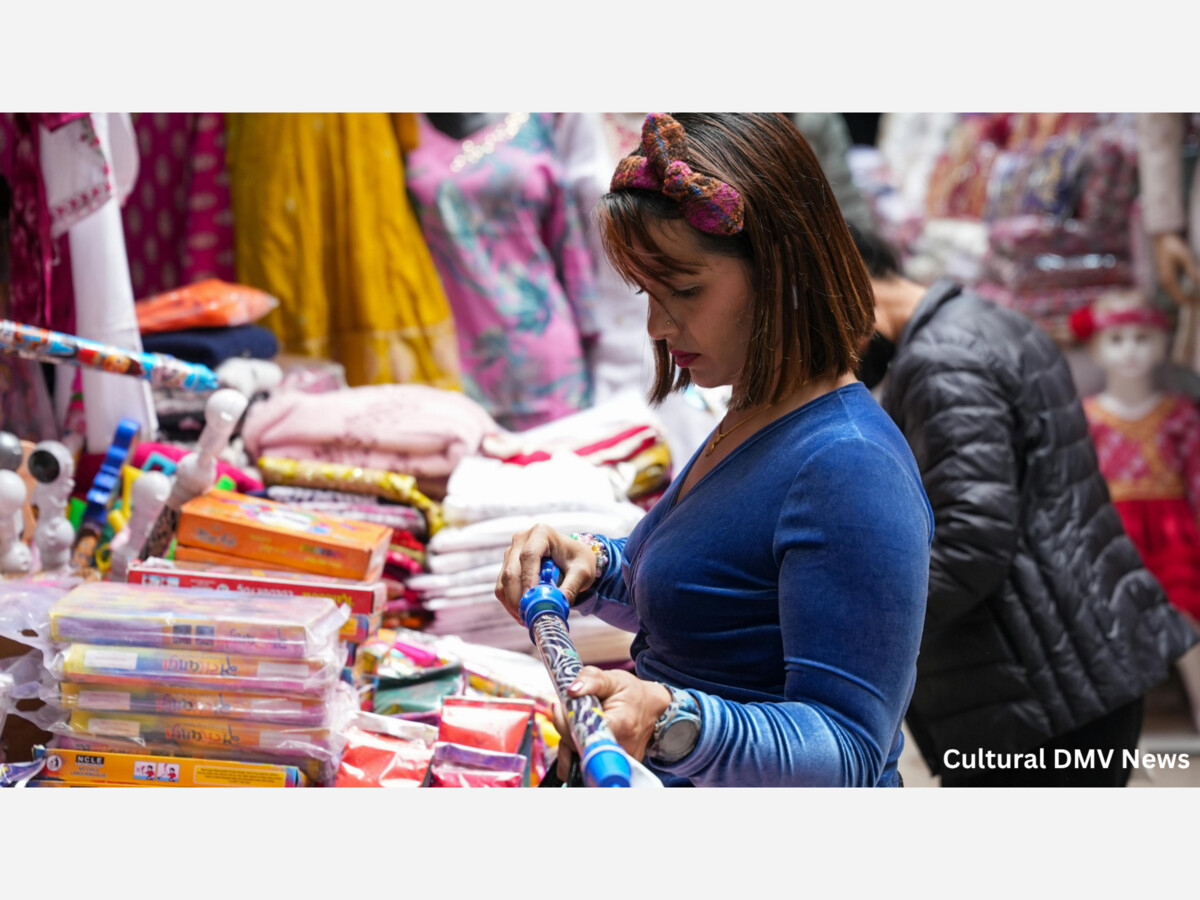
The Family Dollar on Georgia Avenue had fluorescent lights and a $1.25 bin for trash bags. It wasn’t the kind of place people photographed for social media, but it was functional.
I found the store during a work break. I had placed an order at a nearby shop that fried fish from scratch, which meant a fifteen-minute wait. I spent that time walking the neighborhood and ended up in the Family Dollar. I wasn't just browsing; I was comparing the prices of mops and cleaning supplies to what I had been paying elsewhere. I realized I could save a significant amount of money there and told myself I’d return on my day off to buy what I needed. When I drove by a few months later, a "Closing" sign was up. It wasn't just that store—the Prime Thrift Store down the block, a place for $6 coats and $3 lamps, had closed too. These were the anchors for people trying to manage the daily cost of living, and now they were gone.
The Creativity Gap
The irony is that the DC area is actually very good at solving community problems through "creative partnerships," but only when it comes to housing. In Montgomery County, we have projects like Allium Place, a $96 million development where the county transferred land for just $2 to ensure families earning $44,000 a year could afford to stay. We have The Laureate, financed through a $100 million revolving fund where market-rate rents subsidize lower ones. We have $50 million preservation funds and researchers along the Purple Line working to prevent displacement. We have the tools to build "unicorns"—projects that seem impossible until they are built. But these tools are pointed almost exclusively at where people sleep.
The Retail Reality
No one has applied that same level of creative partnership to the stores where people buy their daily essentials. The redevelopment plans for Upper Georgia Avenue and Briggs Chaney focus on high-density, transit-oriented housing. They offer new apartments, but they don't offer a replacement for the discount store or the thrift shop. Cost management is a universal need. A person making $200,000 a year shops at Costco to save money; a person making $40,000 shops at Family Dollar for the same reason. When these stores vanish, it isn't just a loss of a brand. It is a loss of the ability to buy a mop or trash bags without taking two buses or paying a premium at a specialty grocer.
The Unbought Mop
I never got back to that store to buy the mop I saw during my lunch break. By the time I had the time, the store was gone. The planners and developers see a blank slate for new buildings, but the people who live in these neighborhoods see a door that no longer opens. We know how to use partnerships to keep housing affordable. The question is whether we can use those same tools to ensure a neighborhood remains affordable to live in after the rent is paid.
#BeforeItsGone #CreativePartnerships #AlliumPlace #TheLaureate #SaveTheMop


Sunny, with a high of 69 and low of 48 degrees. Sunny for the morning, clear during the afternoon and evening,