

Image
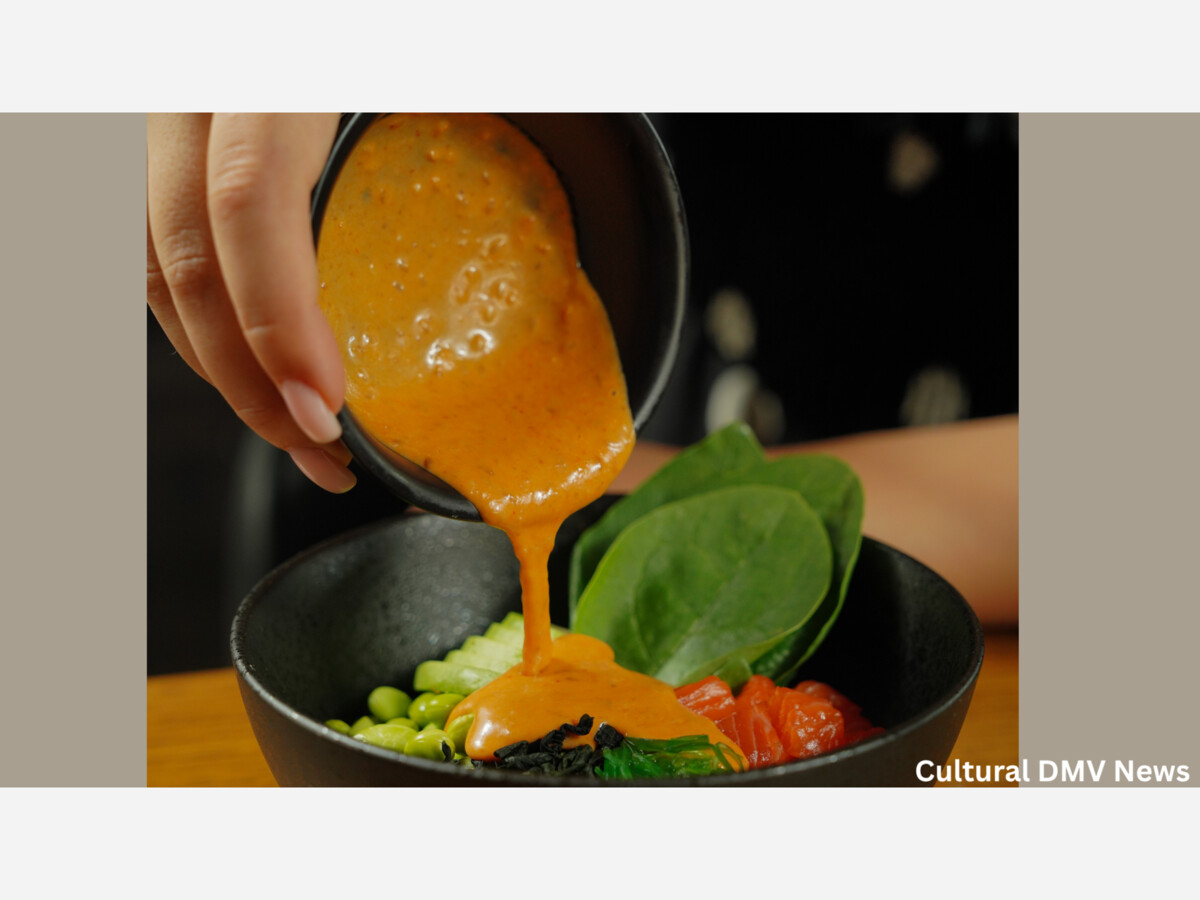
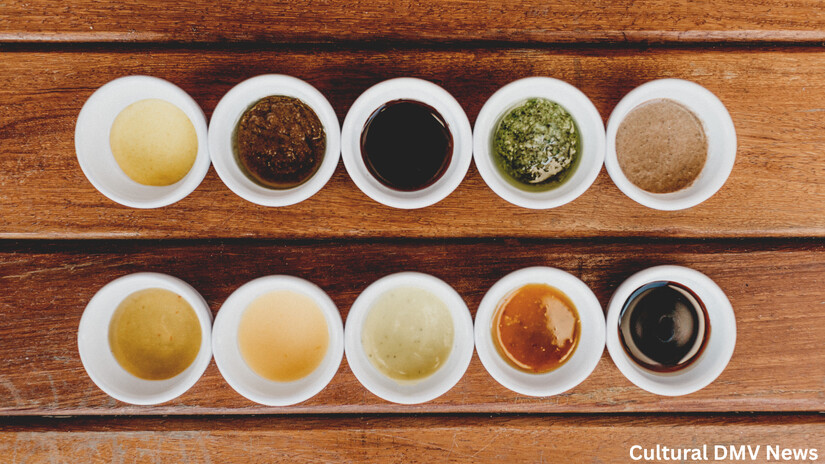
Walk into any restaurant or farmers market across the DMV, and you will notice something shifting on the plate. The flavors that dominated a decade ago are giving way to something more layered. Diners today want sweet that bites back and heat that lingers with purpose. Industry data confirms the shift: salted honey is leading the charge, with hot honey now a staple drizzle on everything from pizza to fried chicken, while umami-forward ingredients like miso and black garlic are gaining serious traction.
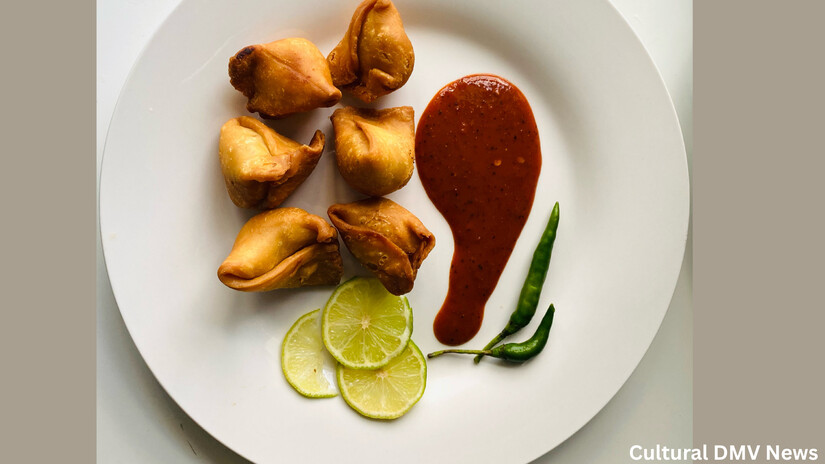
In the DMV, these national trends land on uniquely local soil. The region's appetite for sweet-heat combinations has deep roots in Mambo Sauce, and its love for bold, savory spices draws directly from the Ethiopian community that has made Washington its home. Indian condiments are also part of the national flavor conversation—sweet-and-spicy lonsa has been identified as an emerging condiment for U.S. menus, and mango chutney has appeared at national chains like KFC and Velvet Taco. But in the DMV, these flavors remain more present in home kitchens and restaurants than in bottled local brands, which have not yet broken through the way Capital City Mambo Sauce or District Sauce have.
The DMV's flavor profile exists nowhere else in the country. Southern roots meet East African spices. Chesapeake tradition collides with Caribbean heat.
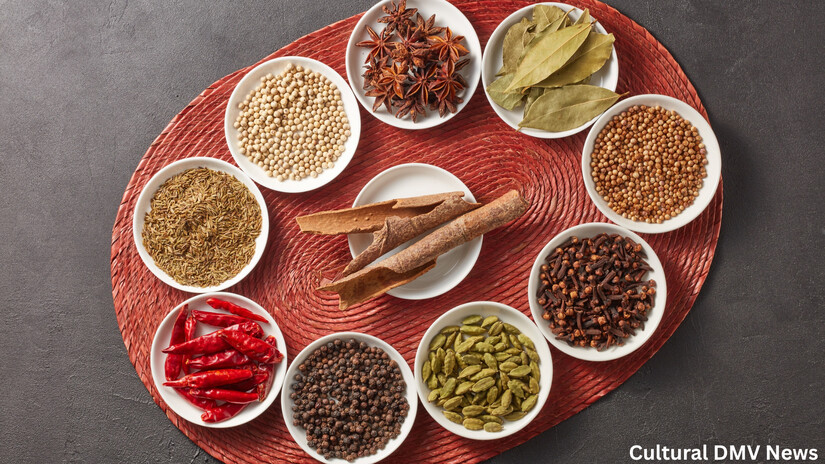
D.C. has the largest population of Ethiopians outside of Ethiopia. Berbere, the complex spice blend of chili, ginger, and cloves, is no longer niche—it has entered the broader culinary vocabulary. What was once found only on carryout counters is now bottled and sold on gourmet shelves.
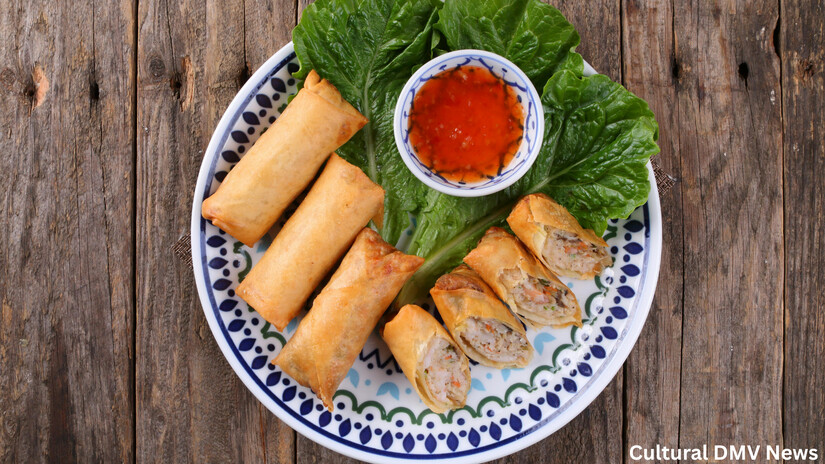
No condiment is more closely associated with Washington, D.C., than mambo sauce. The sweet, tangy, slightly spicy sauce has been a staple of the city's carryouts since the 1950s.
That has changed. Capital City Mambo Sauce, founded by D.C. native Arsha Jones, started small and now sells at 3,000 retail stores nationwide, including Target, Walmart, and Costco. The company sells upwards of 60,000 cases a year and supplies mambo sauce pumps at Nationals Park, Capital One Arena, and Audi Field.
Today, smaller makers have entered the space, offering cleaner labels and boutique branding. The sauce that started on carryout counters now sits alongside artisanal hot sauces in gourmet markets.
If mambo sauce is D.C.'s signature condiment, Old Bay is Maryland's. Created in 1938 by a German Jewish refugee in Baltimore, Old Bay has become a national brand. But ask any Maryland crab house what they actually use, and the answer is often J.O. Spice No. 1—coarser salt flakes adhere better to wet crab shells during steaming. J.O. sells directly to crab houses, not grocery stores, keeping it the industry standard for decades.
Newer makers are expanding the Chesapeake tradition, experimenting with fish peppers, a historic heirloom variety from African American mid-Atlantic communities, to create fruity, high-heat sauces.
D.C. is the center of Ethiopian cuisine in the U.S. One of the most successful fusions of Ethiopian spice and American hot sauce is Clark + Hopkins District Sauce, which combines berbere with habaneros, honey, and tomato paste. In 2024, it won a Sofi Award—the specialty food industry's highest honor—for Best Hot Sauce.
Beyond the big names, a new generation of local spice makers is building brands rooted in Black culture and creative naming.
The Spice Suite on Channing Street NE offers blends named "DC or Nothing," "Cherry Blossom," and "Pass Me The Green." One reviewer wrote: "The decor, the style, the vibe, the music, the selections, the creativity, the roots to DC.. loved it ALL." Open Thursday through Sunday, the shop offers tastings and sells syrups, flavored sugars, and Ghanaian salt.
The Spice Suite (2201 Channing Street NE) is worth the trip for its unique blends and community-focused atmosphere.
Union Market in NoMa houses 40-plus vendors, including Salt & Sundry for artisanal goods.
Farmers markets across Silver Spring, Takoma Park, and along D.C.'s waterfront regularly feature local spice makers—the best place to talk directly to the people making the product.
The DMV's obsession with bold, sweet-heat, and heritage spices is not a trend. Mambo sauce tells the story of Black entrepreneurship. Old Bay and J.O. tell the story of the Chesapeake. Berbere and District Sauce tell the story of the largest Ethiopian community outside Ethiopia. And small-batch makers like The Spice Suite tell the story of a new generation claiming its place at the table.
These flavors are made here, by people who live here, for people who eat here. That is the taste of home.
#DMVFlavors #MamboSauce #DistrictSauce #TheSpiceSuite #TasteOfHome

Sunny, with a high of 69 and low of 48 degrees. Sunny during the morning, clear during the afternoon and evening,