

Image
Every subculture has its roots. For D.C.’s underground plant swap network, the lineage doesn't trace back to a viral hashtag or a pop-up at a brewery, but to a quiet porch in Shepherd Park circa 1968. There, a retired schoolteacher—a Ms. Jackson or perhaps Johnson, her first name now a casualty of time—snapped a leggy cutting from her spider plant and pressed it into a neighbor's palm. It wasn't a transaction; it was a quiet, green inheritance. No money changed hands. No app facilitated the exchange. Just a green shoot wrapped in a damp paper towel and the quiet understanding that some things are meant to be shared, not sold.
Fifty-eight years later, that porch-based ethos has become a full-blown subculture with its own rituals, conflicts, and unwritten rules.
The lineage stretches back further than that first porch. During World War II, Washington's Victory Gardens turned vacant lots into vegetable patches. Residents grew food not as a hobby but as a necessity. That survivalist gardening ethic never fully disappeared. It just went underground, preserved in Wards 7 and 8 by women who remembered when growing your own food was not a lifestyle choice but a way to stretch a dollar.
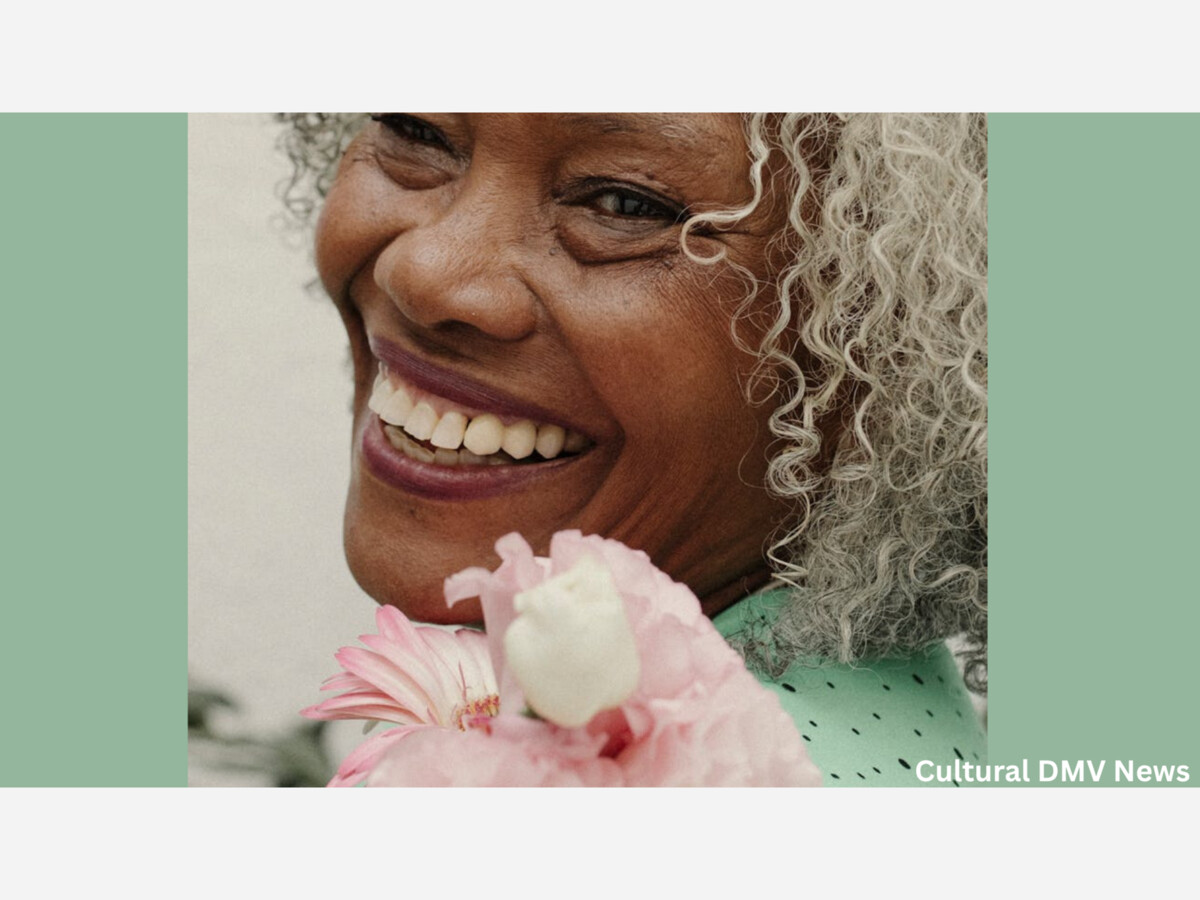
These were the "Plant Aunties." Ask anyone who grew up in D.C. in the 60s or 70s, and they will tell you about a woman on their block who had the greenest thumb. She did not have a greenhouse or a budget for rare specimens. She had a porch full of pots and a habit of snapping off cuttings for anyone who asked. The church bulletin announced who had extra starts. The fence line became a delivery point. Word of mouth did the rest.
A longtime River Terrace resident still remembers being sent down the block with a coffee can heavy with mint roots—her mother’s quiet contribution to the neighborhood's survival. In those years, sharing a collard green cutting or a division of a medicinal herb wasn't a hobby; it was a community insurance policy, a buffer against rising prices and "food deserts" decades before the term had a name. That was the original swap. There were no receipts and no returns—only the honor system and a shared, unspoken pact to keep the block green and the bellies full.
Then came 2020.
Isolation sent a generation of millennials and Gen Z renters into a frenzy of indoor gardening. Apartments became urban jungles. The "underground" exchange that had operated quietly for decades suddenly went mainstream. Neighborhood groups formed on Facebook and Instagram. The location moved from private porches to public "drops" at local breweries.
This created a tension that the Plant Aunties never had to navigate. On one side stood the old ethos: nature should be free. A cutting is a gift, not a commodity. On the other side rose what some call "plant capitalism"—rare cuttings selling for hundreds of dollars, a price tag that would have made the Shepherd Park gardeners shake their heads.
A full exploration of this tension would require its own article. For now, it is enough to note that when a subculture moves from underground to mainstream, it inevitably attracts participants who do not share its original survival-based ethos. The result is a collision of values that the community is still negotiating.
For many longtime participants, the answer to that tension never wavered. The plant swap was never just about pretty leaves. It was about food sovereignty in a city where grocery stores still disappear from certain wards faster than they appear.
The subculture isn't found in the city’s sterile administrative maps—labeling these spaces by "Ward" numbers is just a sterile way to strip them of their soul. Instead, the swaps live in the dirt of Shepherd Park and Takoma, where retired government employees and middle-class families have tended the same soil for decades.The movement stretches into Brookland and Woodridge, neighborhoods of sturdy brick homes and veterans who treat their gardens with a drill-sergeant’s precision. It finds its heartbeat in River Terrace and Deanwood—deeply Black, working-class enclaves where gardening is a legacy of survival in areas long ignored by grocery chains. In the wealthier corridors of Upper Northwest, residents simply buy their greenery and pay for its maintenance. The underground thrives only where necessity meets tradition, flourishing where neighbors still rely on one another to keep the block blooming
Local organizations like DC Greens and The Well at Oxon Run have given this impulse a political backbone. They turned informal swaps into education hubs where residents could learn to grow medicine and food, not just ornamental houseplants. The Well, located in Ward 8, runs "Resource Tours" that teach seasonal planting and soil health. These institutions do not run the subculture. They support it.
A woman who has been attending swaps since the 1970s put it this way: "Back then, we traded food because we needed to eat. Now people trade food because they want to make a point. Both are valid. But don't forget where it came from."
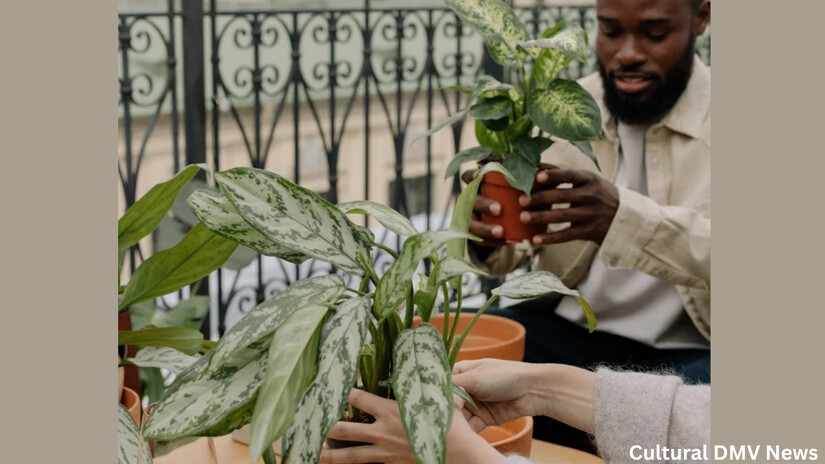
Picture a typical spring swap in 2026. The location could be Shepherd Park Library (Ward 4) or King Greenleaf Rec Center (Ward 6). A young person in platform boots approaches a woman in her 70s who has lived in the neighborhood for five decades. The younger one offers a rare cutting she propagated in her apartment. The older one accepts, then offers something back: a tip about soil pH that no YouTube video has ever mentioned.
"My mother taught me that," she says. "Her mother taught her. And Ms. Johnson or was it Jackson down the street taught her."
This is the collision that makes the subculture durable. The elders carry knowledge that cannot be Googled. The younger generation brings energy and organization. Together, they keep the roots alive.
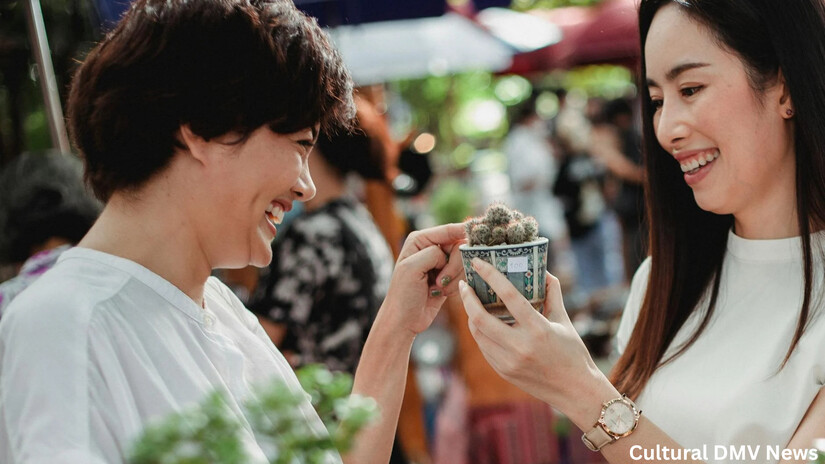
This community remains accessible, but only if newcomers know where to look. For those who want to get their hands dirty without a steep entry fee, the DMV offers gateways that honor the original porch-based ethos
Ask a neighbor. This is how it has always worked. If you see a plant you like on someone's porch, knock on the door and ask about it. Most gardeners are happy to share.
Check your local library. Many branches host free or low-cost gardening workshops. The Parklands-Turner Library (Ward 7) runs a "Plants Made Easy!" series.
Visit a community farm. Wangari Gardens in Park View (Ward 1) and Common Good City Farm in LeDroit Park (Ward 1) offer volunteer-led workshops where the price of admission is often an hour of weeding.
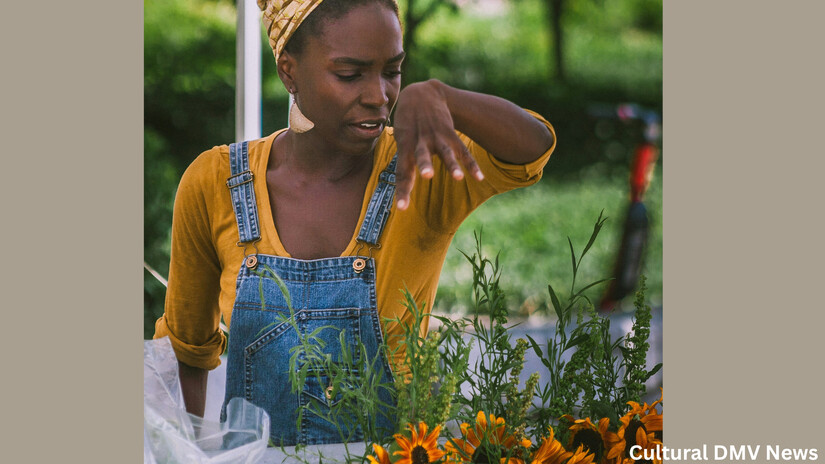
The Plant Aunties who passed cuttings over fences in the 1960s could not have imagined Facebook groups or hundred-dollar houseplants. But they understood something that the modern participants have not forgotten: a plant is not just a plant. It is medicine. It is food. It is a connection. It is a piece of something that outlasts any single gardener.
#PlantSwapDC #UrbanGardening #PlantAunties #DCHistory #GreenLegacy #PassTheCuttings #FoodSovereignty #DMVGardening
Note on sources: This account draws from oral histories collection, and researched participant observation at plant swaps in the DC area.


Sunny, with a high of 69 and low of 48 degrees. Sunny for the morning, clear during the afternoon and evening,