Image
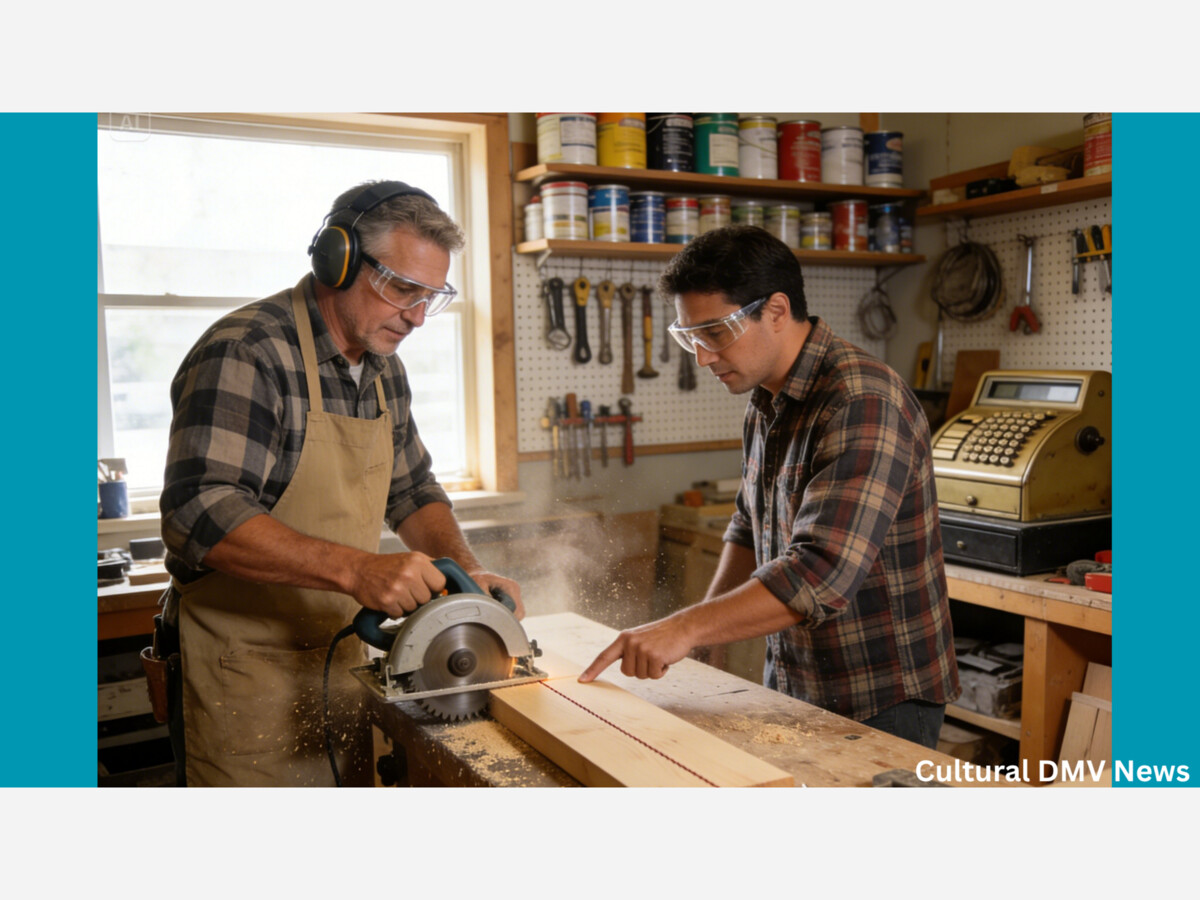



You might look at a storefront that's weathered sixty years of D.C. humidity and see nothing more than a stubborn relic of a pre-digital age. You are thinking about the convenience and efficiency of a thousand-car parking lot and an app that tells you exactly which aisle holds the hammer you need. But look closer at the grain of the neighborhood. When a business survives here for forty years, it isn't just selling inventory. It is holding a thread in the fabric of the community. It is the realization that a 1910 rowhouse does not care about "standard" window sizes, and a Bethesda garden does not follow a national soil chart. These shops are not just businesses. They are the keepers of the neighborhood's specific, physical quirks. And when they vanish, the fabric frays. Not all at once. One thread at a time.
Take W.S. Jenks & Son, which opened its doors in 1866. That is not a typo. According to its website, the company is “Washington's Oldest Hardware Store” and has been selling hardware in Washington "for parts of three centuries". But survival for that long requires more than stubbornness. It requires a willingness to read the room—and then change what you are selling to match what the room actually needs. W.S. Jenks started as a downtown wholesale operation, supplying heavy industrial tools to a city still rebuilding after the Civil War. By the time the 21st century arrived, downtown D.C. looked nothing like that. The customers had changed. The buildings had changed. The very definition of "hardware" had changed. So, the business moved to Northeast D.C. and reinvented itself as an urban gardening hub. Today, you can walk in and find over 100,000 items in stock, rooftop soil, planter boxes, and seeds for vegetables that will grow three feet from a bus stop. The company leases roof space to urban farmers. It shifted its inventory to match the values of the city—trading industrial grit for sustainability. That thread is still intact. But how many other threads has the city lost because no one made that pivot?
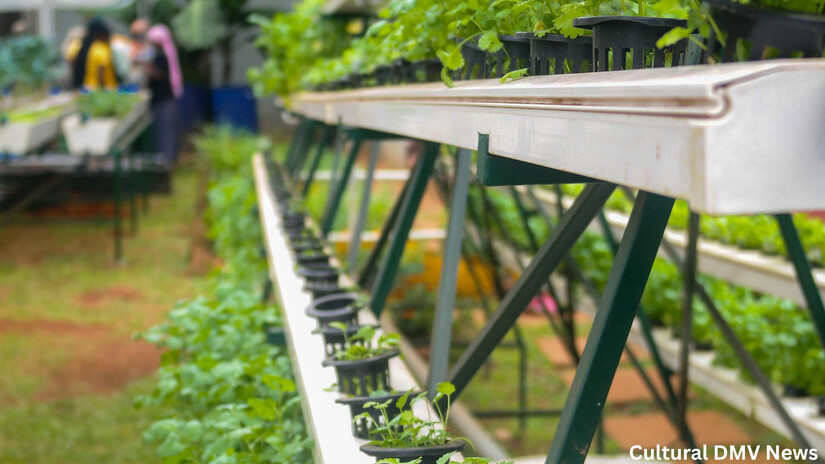
Now consider Frager's Hardware on Capitol Hill. First opened in 1920, it was D.C.'s oldest continually operating hardware store. But something changed. The good news is that Frager's is still open. The better news is that it has been acquired by A Few Cool Hardware Stores, a small chain that runs Ace Hardware locations in the D.C. area. The new team has kept a full-service tool and event rental facility, an outdoor garden center, a hardware and paint shop, and a freestanding plant store called Foliage by Frager's. The knowledgeable staff is still there, ready to help with your next project. The building at 1115 Pennsylvania Ave SE still welcomes customers six days a week, plus Sundays. The thread did not snap.
But here is the nuance. Frager's is no longer independent. It is now part of a chain. Does the local literacy hold the same when the store is connected to a larger corporation? A Few Cool Hardware Stores is not a big box giant. They are local enough. But the shift from "oldest continually operating independent hardware store" to "proud member of a chain" changes something. It changes who makes the decisions. It changes what inventory gets prioritized. It changes how much freedom the store manager has to cut custom glass for a 1910 rowhouse when the chain's spreadsheet says that service is not profitable. The positive is survival. The store exists. Jobs remain. The neighborhood still has a hardware store. The negative is the slow, quiet erosion of the very thing that made Frager's special: its independence, its ability to say yes to the non-standard because the owner lived in the neighborhood and understood the neighborhood.
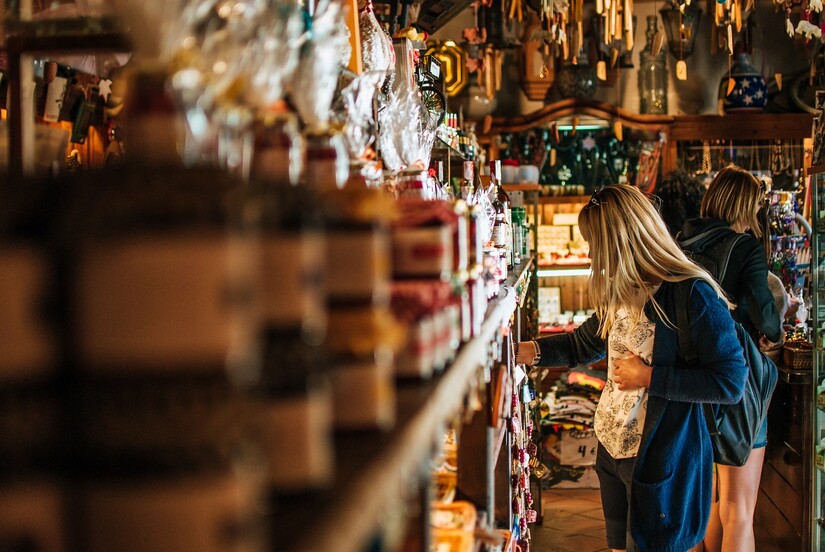
Strosniders, a multi-generational family business founded in 1953, holds a different thread. They keep experts on the floor. Not associates who can point you to an aisle, but specialists who understand the specific weathering patterns of Maryland's climate. They know which sealant holds up against D.C. humidity and which one fails by August. They know why a Bethesda garden needs different soil than a Capitol Hill rooftop. The national model trains floor supervisors to manage inventory and process transactions. Strosniders trains consultants to solve neighborhood problems. That thread is the difference between a transaction and a relationship. And relationships are what keep a neighborhood from becoming just a collection of buildings.
But here is where the fabric is thinning. Across the region, the services that keep old things alive are disappearing. Lamp repair. Tool sharpening. Furniture refinishing. These are not glamorous businesses. They do not generate viral social media moments. But they are essential to a circular economy—one where we fix what we own instead of throwing it away and buying new. When a lamp repair shop closes, the lamp becomes trash. When tool sharpening vanishes, the chisel becomes a paperweight. These businesses lead with character, not scale. They provide hubs for neighbors who want to maintain their physical history rather than replace it. And they are vanishing, one by one, because the economic incentives all point toward disposal. Each closure is a thread pulled loose. The fabric holds for a while. Then one day, you look up and realize the neighborhood does not feel the same.
The through-line across all these stories is simple. Neighborhood character is not built by the average big box retailer or online algorithms. It is built by businesses that read the unique architecture of their streets. W.S. Jenks reads the shift toward urban farming. Frager's reads the persistence of historic housing stock. Strosniders reads the specific weather patterns of Maryland. They survive because they know things that cannot be learned from a typical corporate manual.
Before these businesses are gone, we should ask ourselves: what happens when the last one closes? What happens when there is no shop left that can cut a non-standard windowpane, or sharpen a grandfather's chisel, or tell you which soil works on a rooftop? The answer is not dramatic. There is no collapse. There is just a slow, quiet erosion. And one day, you realize the neighborhood has changed—not because anyone destroyed it, but because no one noticed the small losses adding up.
The blueprint to stop the unraveling exists. It is written into the foundation of the streets we walk. All we have to do is pay attention before it is gone.
#BeforeItsGone #NeighborhoodConnections #LocalLiteracy #DMVHistory #KeepNeighborhoodsAlive


Sunny, with a high of 69 and low of 47 degrees. Sunny for the morning, clear for the afternoon and evening,