Image
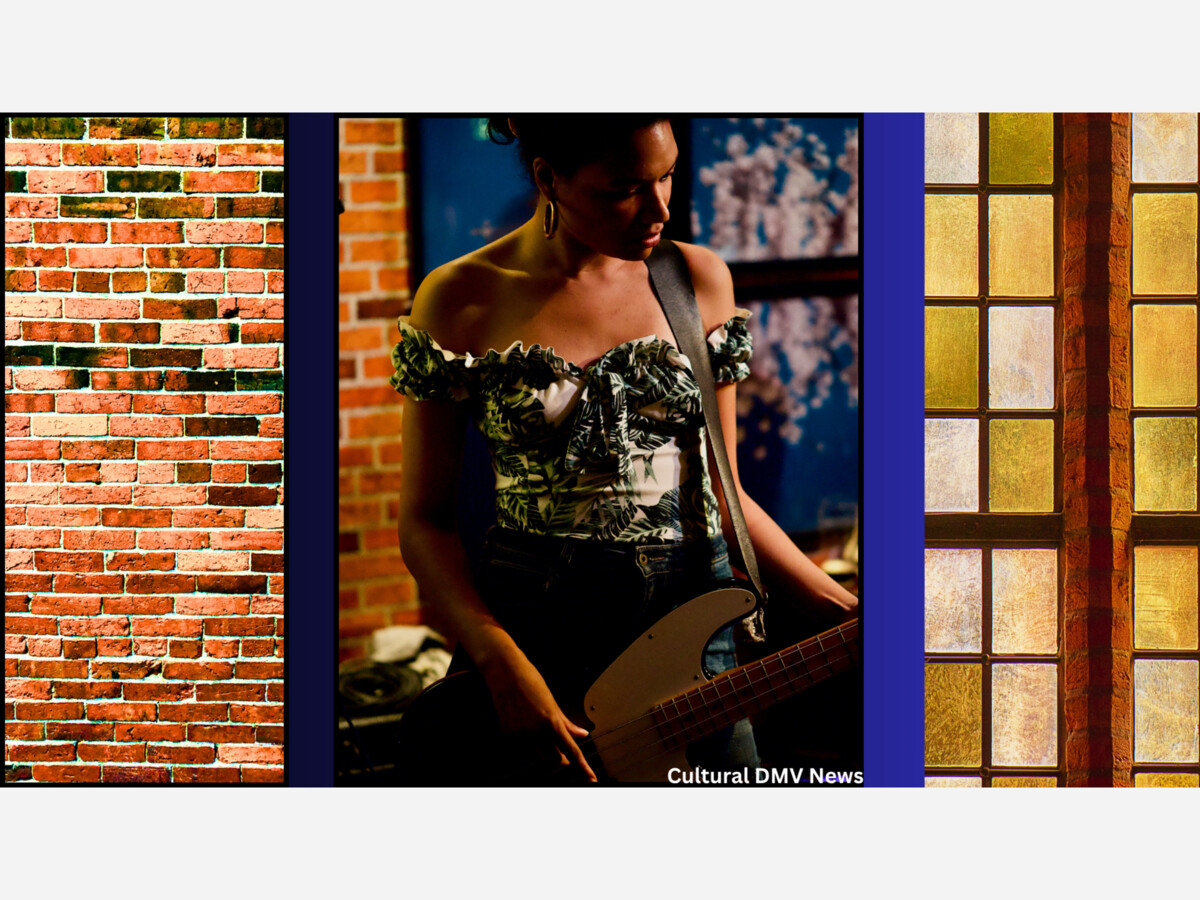



Go to a show anywhere in this city. Pick a venue. The Black Cat. Union Stage. A random basement in Petworth. Watch the band for a few minutes. Now watch the bass player.
Something has changed.
The person holding down the low end used to stand in the back, a shadowy figure in a flannel shirt. Nobody knew their name. All the attention went to the singer or the guitar player. Not anymore. Not in DC.
In 2026, the women holding down the rhythm are the ones you cannot look away from. They are arguably the most compelling statement on stage. From the high-gloss to the gritty energy of the indie punk scene, these players aren't just keeping time—they're setting the aesthetic.
Meshell Ndegeocello changed everything. In the early '90s, she appeared in sharp, tailored suits—androgynous, confident, and defiant. She was the doorway, moving the bassist from the background to a position of visual and philosophical leadership. These days, her style has evolved into organic, layered textures, but that quiet authority remains the blueprint for the city.
Endea Owens was born in Washington, D.C., and though her career took her to New York and the national stage, she never left the city behind. She carries herself like someone who has been on the biggest stages in the world—because she has. As a bassist in Stephen Colbert's Late Show band, she learned to command a camera and a crowd at the same time. When she performed on NPR's Washington, D.C.-based Tiny Desk series, her poise told a story without a single word: shoulders back, fingers confident, a quiet smile that said I belong here. Endea only comes through DC once in a while these days. But when she does, she reminds us that the city that gave her birth still claims some of her groove. For young bassists in the DMV, she is proof that you can leave and still come back as an inspiration.
The DC area has long relied on the steady, grounding presence of veterans who understand that the bass is about more than just sound—it is about culture.
Teresa "TJ" Jones is a cornerstone of this tradition. A Philadelphia-born former organist who picked up the bass, TJ has spent nearly three decades as the go-to anchor for the region's premiere reggae and roots-funk outfits. Her resume reads like a history of the genre, having backed heavyweights from Everton Blender and King Ajamu to Strykers Posse and Storm Reggae Band.
TJ's presence is defined by a "roots and culture" aesthetic that is as intentional as her playing. Known for a rock-solid pocket that never wavers, her style is a masterclass in understated quality. She is often seen adorned with silver and cowrie shell jewelry woven into her locks, complemented by a rotating collection of fresh bandanas. It isn't a loud look, but it carries a visual weight and authenticity that mirrors her musical reputation.
Tiffany "TiffsBass®" Lloyd does not hide. As the heartbeat of Be’la Dona, she stands front and center, sequins catching the stage lights, hair moving with every strike of the strings. She treats her role like a lead performer—a shimmering, high-energy centerpiece that is impossible to ignore.
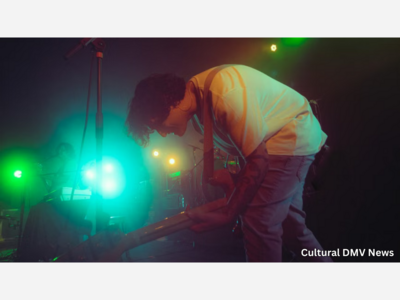
Then there is the new rock guard, fueling a DC-specific movement where high-drama aesthetics meet heavy energy. Isabella MacKaye of Birthday Girl DC is all about functional, raw, and unpretentious fashion that prioritizes movement and power.
Nearby, Ira Golthi of Girls on Toast defines the indie punk look: heavy eyeliner, floral complements, and late 90s-revival energy. Her stage presence is a high-intensity visual punch that cuts through the room as sharply as the music itself.
Any chance you get to see these women play—take it. Whether it's the red carpet soul vibe of The Howard Theatre, the experimental cool of Rhizome, or the raw energy of The Atlantis, just go.
You don't need to know music theory. You just need to watch how the room shifts when the bass player takes over. Once you start noticing them, you cannot stop. You'll leave the show thinking about the groove, even if you don't remember the songs.
And if you've ever thought about picking up the instrument yourself? Do it. The DMV is a hub of mentorship. Amy Shook, a staple of the Kennedy Center, teaches. Brittany Frompovich, a Wammie-nominated clinician, teaches. They were beginners once, too, before they became the icons making the rest of us want to move.
Check the schedules at Pie Shop, The Pocket, and Songbyrd. Follow them on social media. Next time you see a flyer with a woman holding a bass, you will pay attention differently.
Meshell Ndegeocello performed at Strathmore just this past March 27. No return dates have been announced yet, but you can sign up for Strathmore's email list to be the first to know when she comes back.
#DCFemaleBassists #GoSeeLiveMusic #PickUpTheBass #DMVMusic #WeekendUplift


Sunny, with a high of 69 and low of 47 degrees. Sunny for the morning, clear for the afternoon and evening,