Image




Not too long ago on a warm Spring evening, I and a few friends drove into Laurel to visit the wine bar I had heard about for weeks. I was told it was located on a well-lit quiet street with plenty of parking close by.
We walked in and decided to look around a little. It was a spacious and modern space with comfortable looking chairs, four of them to a table, arranged far enough from each other the way I liked them. One of the friends I had come with had met the owner before, he walked to the bar and asked if she was in. She wasn’t, so we decided to sit at a table close to the bar.
It didn’t take too long for the waiter to come to our table. She was friendly, personable and chatty. She immediately asked if we wanted to sit outside since it was a beautiful evening, and we agreed with her and moved outside. We ordered and kicked back on the comfortable seating and started chatting away. Soon we had our wine glasses half-filled—some red, some white—and then one of us asked for a menu.
We ordered suya: small pieces of spiced grilled beef, usually served like a shish-kebab, but this time plated simply and generously garnished with onions and extra spices. After a short while, our conversation turned to how much we were enjoying ourselves. The spicing on the beef was just right, someone said. Another person praised the waiter for making great suggestions on both wines. One of the friends I came with, a lady, struck up a conversation with the waiter. Before long, they discovered they knew some of the same people and had crossed paths at live music events across DC.
It was one of those evenings where everything just worked—the setting, the service, the company. But what we didn’t fully realize at that moment was that we were experiencing just one part of a much larger story.
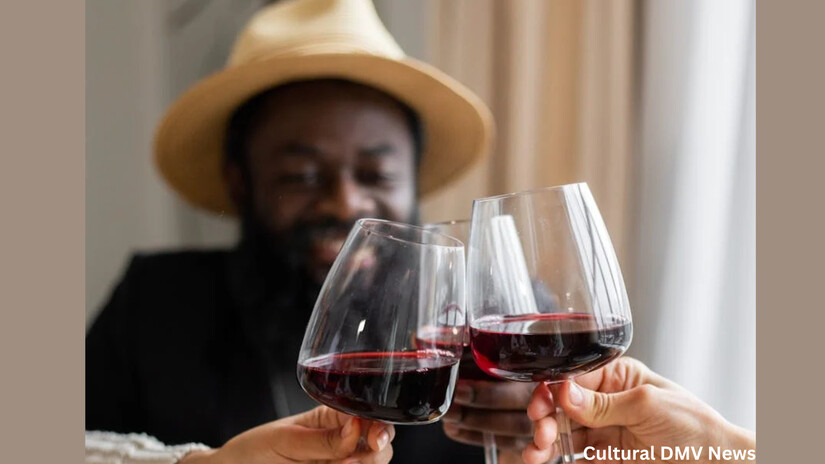
The wine bar we visited is an extension of Clyopatra Winery & Vineyard—a brand that stands out not just for its wines, but for its cultural identity and vision.
While the wine bar in Laurel offers a relaxed, social, and accessible entry point—perfect for evenings like ours—the winery itself represents something deeper: a commitment to craftsmanship, storytelling, and cultural expression through wine.
Clyopatra’s branding is intentional. It blends elegance with heritage, drawing from African and diasporic influences while maintaining a contemporary, welcoming aesthetic. It is not just about producing wine—it is about creating a space where culture, community, and conversation meet.
At the center of it all is the founder, Ifeoma C. Onyia, a visionary who has built Clyopatra with purpose. Her journey into winemaking is not simply entrepreneurial—it is personal and cultural. She represents a growing wave of Black women in wine who are redefining an industry that has historically lacked diversity in both ownership and narrative.
Her goal is clear: to create a brand that not only produces quality wines but also tells stories—stories of heritage, of exploration, and of belonging. Through both the vineyard and the wine bar, she has created environments where people can gather, share experiences, and connect across cultures.
It’s important to understand that the Laurel wine bar is separate from the vineyard itself.
The wine bar functions as a social hub—an intimate, beautifully designed space where guests can enjoy curated wines, small plates, and conversation. It is where many people, like us, first encounter the brand.

The vineyard, on the other hand, represents the origin—the place where the wines are cultivated, produced, and deeply tied to the land and the larger vision of the company.
Together, they form a complete experience:
At Cultural DMV News, we often talk about the importance of cultural exposition—not just showing what exists, but understanding the meaning behind it.
Clyopatra Winery & Vineyard is a strong example of this in action.
What might seem like a simple night out—wine, food, conversation—is actually part of a broader cultural movement:
Looking back on that evening in Laurel, what stands out is not just the quality of the wine or the flavor of the suya—it’s the feeling that we were part of something intentional.
A space where culture is not just present but expressed.
A brand that understands that storytelling is as important as the product itself.
And a reminder that sometimes, the most meaningful cultural experiences don’t announce themselves loudly—they unfold, quietly, over conversation, laughter, and a well-poured glass of wine.
To learn more about their wines, story, and upcoming experiences, visit Clyopatra Winery & Vineyard’s official website.
#CulturalDMV #BlackOwnedWinery #DMVWineScene #CulturalStorytelling #SupportLocalDMV
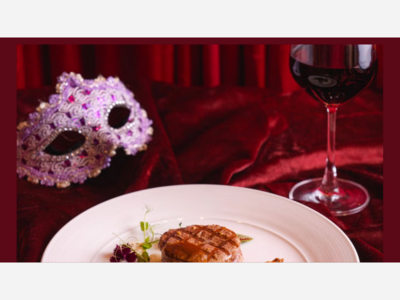
Images are by Cultural DMV News and are not true representations of the subject in this feature story.

Sunny, with a high of 69 and low of 47 degrees. Sunny for the morning, clear for the afternoon and evening,