44° and Clear
Image
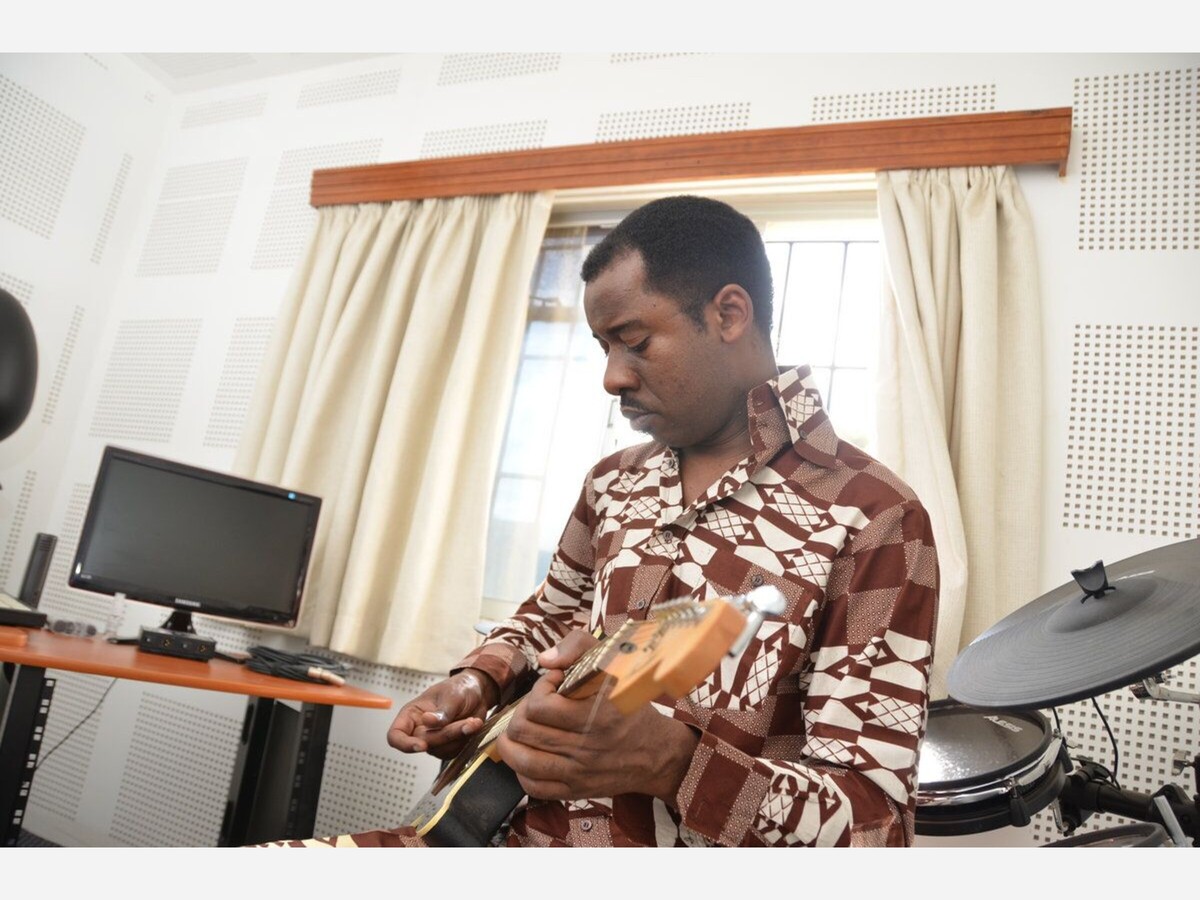
Franck Biyong at Square Down Studios, Nairobi, Kenya. Photo courtesy of Franck Biyong.



Published October 18, 2026 · 3 min read.
Burna Boy. Fally Ipupa. Wyclef Jean. Salif Keita. Yemi Alade. Diamond Platnumz. Olamide. Efya. King Sunny Ade. Seun Anikulapo Kuti. Manu Dibango. Tony Allen.
What do they have in common?
Not a genre. Not a country. Not a decade.
One name appears across their credits: Franck Biyong — music director.
Most people have never had this job explained to them, so let's fix that. A three-minute studio recording does not automatically work on a stadium stage. The studio is controlled. The stage is alive, unpredictable, and enormous. The music director is the architect who bridges the two.
Arrangement. A three-minute track becomes an eight-minute live moment, and somebody has to decide how. Where the breakdown goes. When the horns enter. How long the groove holds before it loses the room. That's the job.
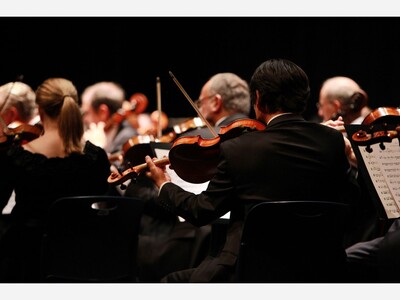
Band leadership. Hiring the players. Running rehearsals. Managing soundcheck. Making the hard call when something isn't working—and making it before the audience notices. The point is to handle the mechanics so the artist can focus entirely on the crowd.
Structure and pacing. A concert is a narrative. The music director sets the order and the transitions and decides whether the ballad lands third or eighth. That's not a small decision. It's a calculation about what happens to five thousand people's energy when the tempo drops.
Translation. The artist knows what the song means. The music director knows how to make a room feel it at the same time.
Restraint. The best directors know when to leave a song alone. That's what separates the great ones from the busy ones.
If the artist is the face, the music director is the frame. You don't see it. You feel it the moment it's wrong.
The résumé isn't just a career. It's a vocabulary.
Generations. Manu Dibango and Tony Allen at one end. Burna Boy and Diamond Platnumz at the other. Foundational architects and modern stadium pop, on the same page.
Geography. Lagos. Kinshasa. Dar es Salaam. Abidjan. Accra. Kingston. Port-au-Prince. Paris. Moving through those spaces takes fluency in completely different musical ecosystems.
Genres. Afrobeat, jùjú, rumba, ndombolo, Afrobeats, highlife, reggae, and whatever Wyclef was doing.
Languages. English and French, comfortably. Because while the rhythms and the languages change, the science of holding a room doesn't.
He has shaped the sound of African pop's biggest artists. He has also made twenty-five albums of his own since 2006, and most of them are unknown. Both things are true.
His new album, NAMBALA is out October 23. The conversation airs Wednesday, October 21, 1–3 PM ET on Afrobeat Orbit Radio, WOWD 94.3 FM and TakomaRadio.org. The full profile runs here at launch.
#FranckBiyong #MusicDirector #NAMBALA #AfrobeatOrbit #WOWD #AfricanMusic #CulturalDMV

Sunny, with a high of 62 and low of 47 degrees. Overcast for the morning, clear for the afternoon and evening, light drizzle overnight.