56° and Clear
Image
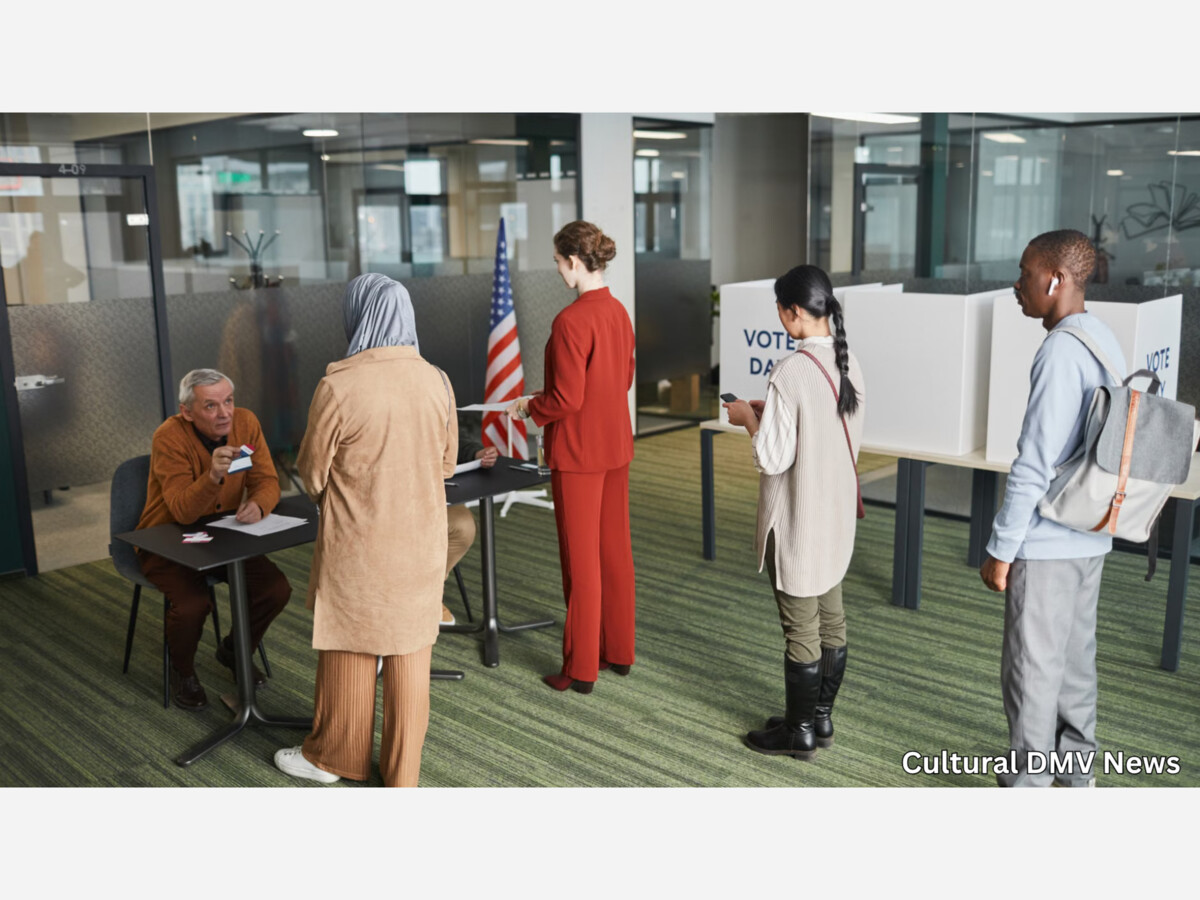
A line of voters at an indoor polling station—mixed ages, mixed faces, the ordinary patience of people waiting their turn. Photo by Edmond Dantès on Pexels.



Published October 27, 2026 · 2 min read
The Takoma Park City Council meets at 7:30 on a Wednesday night in the Community Center Auditorium at 7500 Maple Avenue. The calendar lists the regular meeting as running until 11:00 PM. Meetings are hybrid—you can sit in the room or watch on Zoom, and you can comment either way. In-person comment needs no advance signup. Virtual comment closes at 5:00 PM the day of the meeting. Each speaker gets three minutes.
That's the machinery. It is unusually open, and it is also three and a half hours long on a weeknight.
Takoma Park's civic identity was built in public, and mostly from the ground up.
In December 1983, the council voted unanimously to declare the city a nuclear-free zone—banning production, transport, disposal, and activation of nuclear weapons within city limits. At the time, that was an unprecedented move for a municipality.
In 1992, the council passed the landmark initiative allowing non-citizens to vote in municipal elections. The first citywide election in which non-citizens cast ballots was November 2, 1993. Takoma Park was one of the first U.S. cities to do it.
In 2013, the city became the first in the nation to lower the voting age to 16 for local elections.
Ranked-choice voting arrived differently. In a November 2005 advisory referendum, 84 percent of voters supported it. The council amended the city charter in 2006, and the city has used RCV in every municipal election since 2007.
Notice the pattern. The voting-age change came by council vote. Ranked-choice voting came from a referendum first. Non-citizen voting came through charter amendment after a contested public fight. This is not a city where the council hands down reform—it's a city where residents push, and the council eventually follows.
Here's where the story gets more complicated, and more interesting.
On the narrow question of whether the newly enfranchised actually vote, the answer is yes. In the first election after the voting age dropped, 44 percent of 16- and 17-year-olds voted, compared with 10 percent of all voters. In 2015, nearly 45 percent of 16- and 17-year-olds voted, against 21 percent of all voters. By multiple accounts, they turn out at higher rates than any other age group.
That is a genuine success, and it's rare. Most places that expand the franchise see the new voters stay home.
But the room on a Wednesday night is a separate question from the ballot box. Who attends meetings, who serves on boards and commissions, who uses those three minutes—those are different measures of participation, shaped by different barriers than registration rules. A city can build the most inclusive electoral machinery in the country and still, on a given Wednesday, be run by the people who showed up.
That's not a failure. It's the gap between the two projects, and it's worth naming plainly.
The meeting runs its course. The vote happens. Someone wins, someone doesn't. The room empties, the lights go down, and in two weeks the calendar will list another one.
Takoma Park hasn't solved democracy. It keeps convening. Week after week, that's the thing worth holding onto.
#TakomaPark #LocalDemocracy #RankedChoiceVoting #Vote16 #NonCitizenVoting #CivicParticipation #CulturalDMV

Sunny, with a high of 69 and low of 53 degrees. Sunny in the morning, partly cloudy for the afternoon and evening, clear overnight.