Image
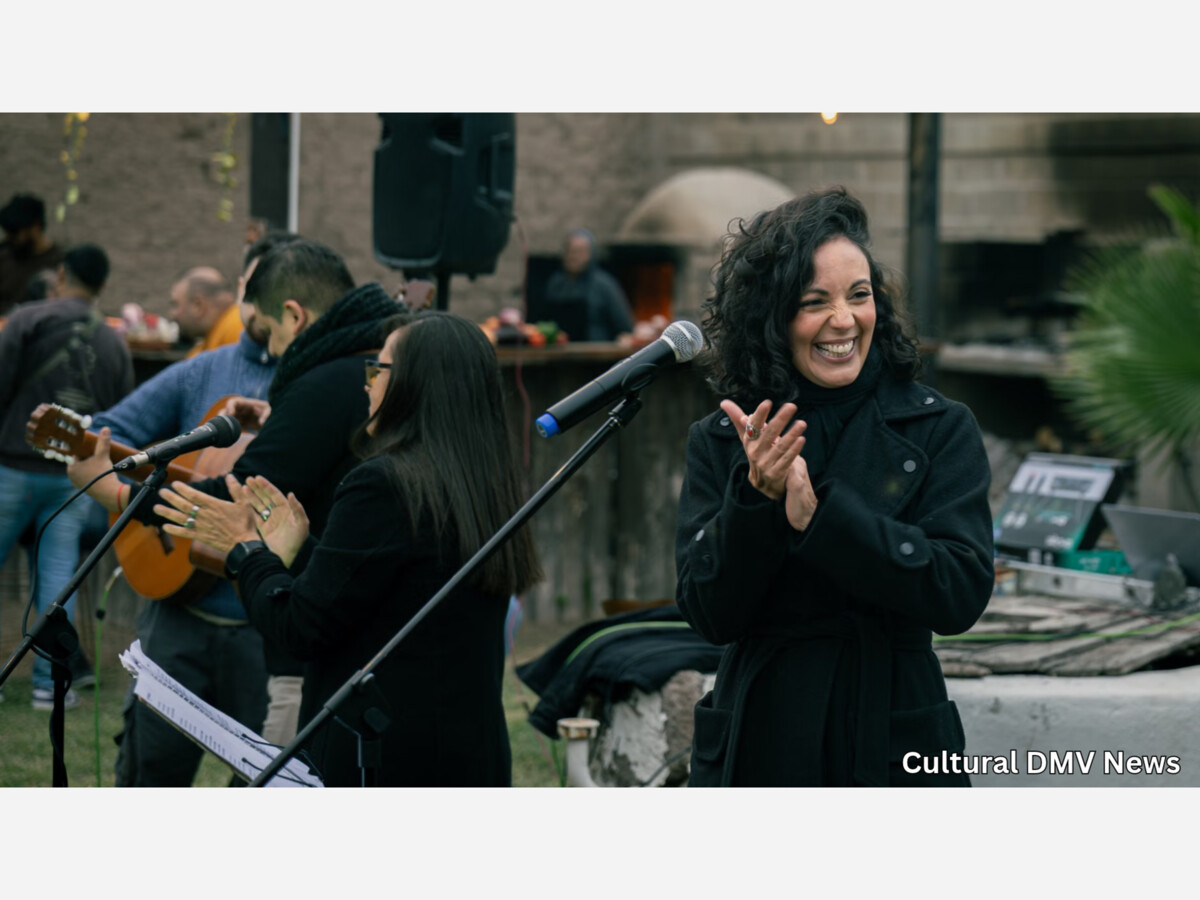
Musicians performing outdoors under string lights to a smiling, dancing audience. Photo by juanpablo on Pexels.



Published October 30, 2026 · 4 min read
Kernels of truth about how this region spends its fun money.
Every region has a personality, and every region's wallet has one too. The DMV's has gotten harder to impress.
I've had a lot of conversations this year with venue managers, promoters, comics, and the friend who always knows where the good show is. The same thing keeps coming up. The night out stopped being automatic.
Here's what I've noticed.
Somewhere between the last big reopening and now, the DMV consumer became a researcher. They read the reviews. They check the parking. They know what the room looks like before they buy.
Living in one of the most expensive regions in the country does something to your decision-making. When everything costs more, the things you choose get more scrutiny. The casual night out became a decision rather than a reflex.
What that produces is a market where friction-free booking, knowable-in-advance details, good food within walking distance, and seats that aren't a gamble get the yes. When a night out delivers all of that, people pay for it without much agonizing. When it doesn't, they find something else.
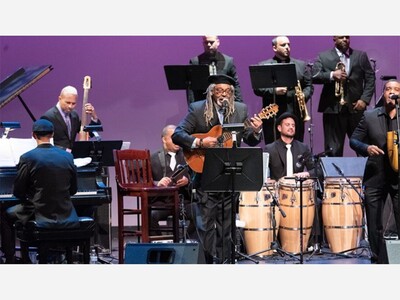
The DMV now has a middle tier that looks nothing like the one from a decade ago—listening rooms, supper clubs with a stage in the corner, comedy in the back of a bar, film screenings with a live trio, small festivals in parks. They're their own format, with their own economics, and many of them sell out.
What shifted is the tolerance for an evening that costs a lot and doesn't do anything memorable. That tolerance is low everywhere.
Regional venues now have sound and lighting that would have been unthinkable a generation ago. Local productions are run by people who've worked on national tours. And touring acts are dealing with routing economics that make the region harder to book than it used to be—so some nights that would have gone to a national act simply don't exist anymore.
Increasingly, local work is on the same stage.
Comedy is structurally cheap to stage.
A microphone. A room. Someone with something to say and thirty minutes to prove it. That's the whole production. A concert carries a different set of costs entirely—crew, gear, transport, a building designed for volume. The cost structure of each shows up at the box office.
Comedy rooms keep opening across the DMV, from established clubs to speakeasy-style nights in Arlington and Baltimore. The barrier to entry is low enough that a good room can exist on a Tuesday. And the local scene is deep enough that a show can fill without a name anyone's seen on a screen.
The experiments in the region right now are hybrids—films with live scores, bands playing alongside screenings, orchestras reinterpreting soundtracks.
A film projected in full while an orchestra performs the score in real time is a different thing than a movie with music near it. It asks something of the performers—cuing, timing, restraint. When it works, it puts families, film people, and classical-curious listeners in the same room.
A band playing vaguely atmospheric music while a film plays behind them is a bar with a screen and a cover charge.
The format has room in it. It doesn't have room for shortcuts.
Two more shifts.
The clock moved. A 6:00 PM start is now a normal start. Matinees aren't just for retirees. Dinner and a show is routine now. And increasingly, dinner is the show. The drivers: hybrid work, long commutes, the sense that a night out shouldn't cost you tomorrow.
The map moved. Entertainment spending is staying in Bethesda, Tysons, National Harbor, and Silver Spring rather than flowing into the District. Fewer people cross a bridge on a weeknight than they used to. The neighborhoods with their own venues are keeping their own evenings.
The DMV's entertainment economy is redistributing—across neighborhoods, across formats, across the clock.
People here still want to go out.
#DMVEntertainment #WalletShare #LiveToFilm #ComedyBoom #EarlyBirdCulture #CulturalDMV

Sunny, with a high of 71 and low of 54 degrees. Sunny in the morning, clear for the afternoon and evening,