64° and Patchy rain nearby
Image



Published September 25, 2026 · 3 min read.
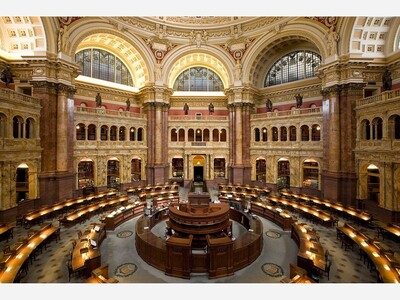
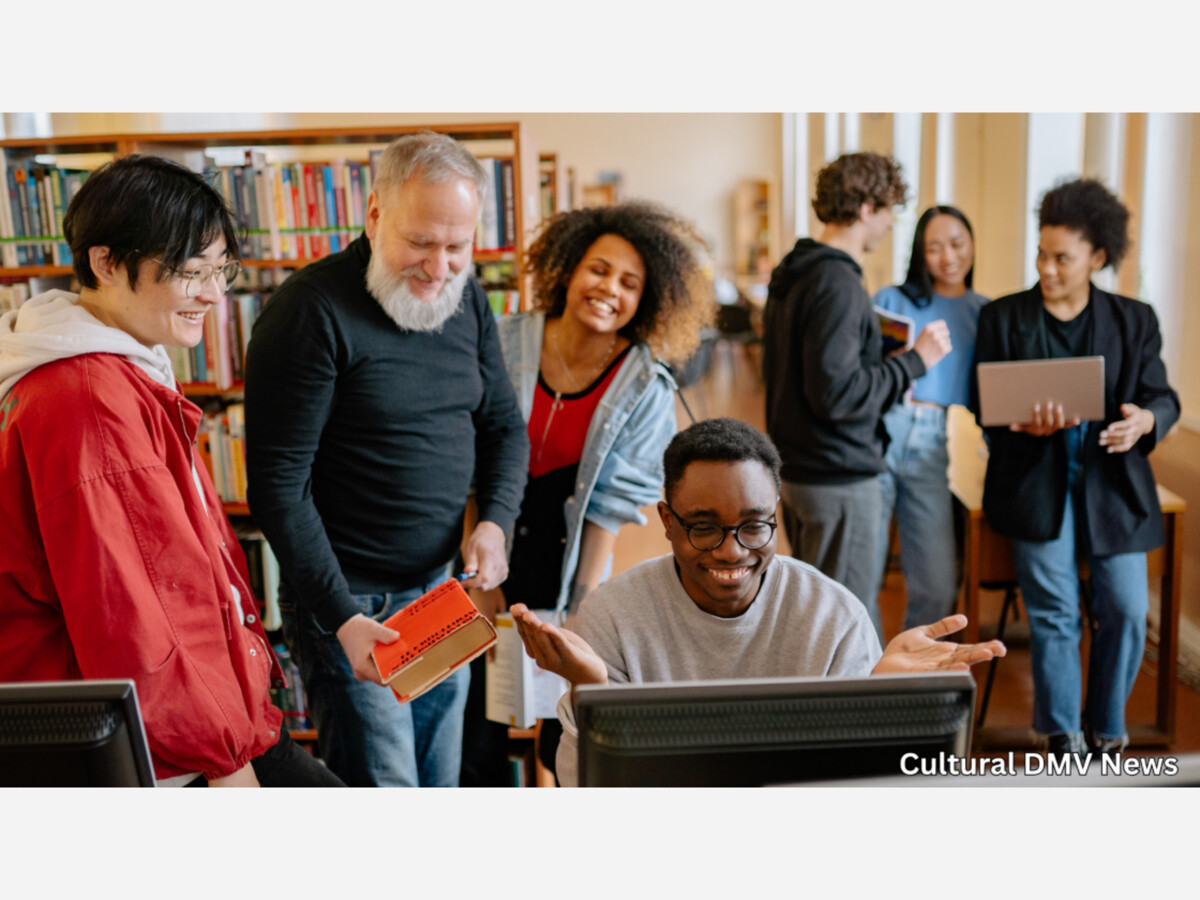
Walk into the Martin Luther King Jr. Memorial Library and you'll find a recording studio, a dance studio, sewing machines, and 3D printers. Not a reading room that occasionally hosts a book club—an actual production space, free for DC residents.
This is the part of the library story that gets undersold. Everyone talks about maker labs. Fewer people talk about what's happening to the arts.
Here's the honest math on being an artist in the DMV: studio time costs money. Gallery space costs money. Rehearsal rooms cost money. A decent microphone costs money. The pipeline from "creative person" to "practicing artist" runs through a series of paywalls, and the first one usually stops people before they ever get started.
Libraries are dismantling that paywall. Not with grants or fellowships, but with square footage and a library card.
DC Public Library hosts temporary exhibitions at the MLK Library and neighborhood branches—and they actively invite District residents, including artists and cultural creators, to apply to exhibit their work.
That distinction matters. A gallery wall in a library isn't just a venue. It's a legitimacy signal. It tells a first-time artist that their work belongs somewhere with an address.
The Labs at MLK Library include a recording studio, a dance studio, and a DIY station with equipment to digitize home movies, scan photographs and slides, and convert audio and video to digital formats.
And the collaboration goes beyond equipment. DC Public Library has partnered with Washington Improv Theater to offer free, introductory improv workshops at branches including Lamond-Riggs and Shaw—high-fun, low-stress classes designed to share the ideas and spirit of improv with all of DC.
That's not a book club with a stage. That's an arts program.
For a lot of people, the library is also the internet. It's the only place to print a résumé, join a Zoom interview, or submit a portfolio. Fairfax County's LEAP program—Library Equity Access Pass—automatically creates a virtual library account for every student enrolled in Fairfax County Public Schools. Students check out materials by giving their name at the desk. No physical card required.
And the fines? Increasingly, they're gone. Fairfax County eliminated overdue fines on most materials as of January 1, 2022. Data collected that year showed the number of items considered lost and sent for recovery actually decreased by more than 50%—suggesting the fine-free model did not result in people keeping items longer. DC Public Library's Board of Trustees voted unanimously to eliminate late fees in 2020. Montgomery County Public Libraries went fine-free as of February 1, 2021, and waived all existing overdue fines from customer accounts.
Fines were never really about encouraging returns. They were about punishing poverty, and they kept the exact people who needed the library most from walking through the door.
This transformation isn't free. Funding competes with police, fire, and roads. Librarians are now expected to navigate social work, digital instruction, and event production—roles their job descriptions never anticipated. And every book removed to make room for a stage is a genuine loss for someone. Those tensions are real, and they don't resolve neatly.
The library is only "gone" if we insist it stay frozen in amber. The DMV's branches are already arts venues—free, local, and open to anyone with a card. Walk into your closest one. Not as a relic to protect out of nostalgia, but as a stage to use.
That's how you save it: by showing up.
BeforeItsGone #DMVLibraries #ArtsAccess #LibraryArts #ThirdPlace #DCPublicLibrary #CulturalDMV
Every Monday this fall, we're profiling a DMV institution before it changes or disappears. Subscribe to keep Before It's Gone in your inbox.

Overcast, with a high of 73 and low of 60 degrees. Overcast in the morning, patchy rain nearby during the afternoon, overcast for the evening,