49° and Patchy rain nearby
Image
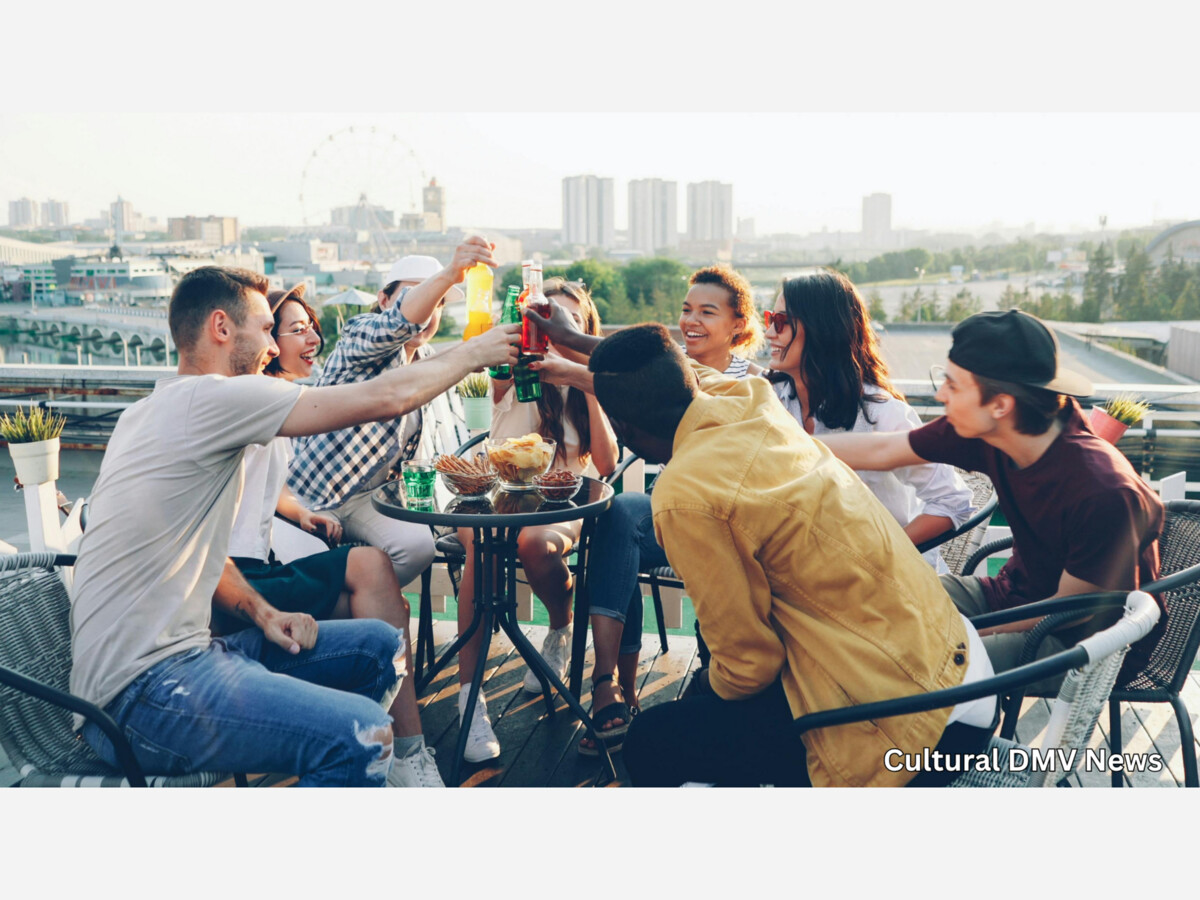
A group of friends shares a toast on a rooftop in the city. Plates, glasses, and a skyline behind them. Happy hour at its best



Like TGIF, it's easy to assume "Happy Hour" has always just been a marketing gimmick to celebrate escaping the office. There is, however, an interesting history to the term and a question worth asking: has it run its course? Are we seeing the beginning of the end of happy hour?
Happy hour was never really about the discount. It was about the pause. The collective exhale of a city clocking out.
Before it is gone, you should know what the 5 o'clock hour used to feel like. The Metro platforms filling up. The bars along U Street and the Navy Yard starting to hum. Somewhere else, a group of colleagues settles into a booth, trading stories about the day's wins and losses, ties loosened, the weight of the office finally lifting.
That pause has a name. Happy hour. But it did not start as a marketing tool. It started as a necessity. And if we are not paying attention, it is changing.
The phrase "happy hour" did not start in a bar. It started on a ship. In the early 20th century, U.S. Navy sailors used it to describe structured morale-boosting events—a brief period of entertainment to break the monotony of life at sea. It was not about alcohol. It was about relief.
When the phrase hit civilian life, it stuck. Washington, D.C., with its endless streams of commuters flowing in from Maryland and Virginia, needed that same relief. The end of the workday created a collective experience—a shared need to decompress before heading home.
That need was not new. It had been building for a century.
Before "happy hour" was a phrase, the practice was alive and well in D.C.'s downtown saloons. The late 1800s brought streetcars, retail districts, and theaters. Workers flooded into establishments near the Treasury Department, the Patent Office, and the waterfront.
One saloon stood out: Shoomaker's. It was a working-class haunt, known for its unpretentious atmosphere and its claim to fame as the birthplace of the Gin Rickey. Senators and clerks alike rubbed elbows there, but it was not about power. It was about the pause.
Nearby, the Round Robin Bar at The Willard and the Old Ebbitt Grill functioned as "third spaces"—places where merchants, travelers, and locals could gather without ceremony. These were bars for anyone who needed a moment before the journey home.
The standardization of the 9-to-5 workday created a synchronized mass of workers entering public spaces at the exact same hour. The "five o'clock club" became a cultural institution, a way to mark the boundary between labor and leisure.
Cities like Philadelphia formalized the idea with clubs dedicated to the hour. In Washington, the practice was less formal but just as widespread. The clock struck five, and the city exhaled.
Then came Prohibition.
When the 18th Amendment banned alcohol, the ritual went underground. Speakeasies became the new gathering places, where D.C. residents met at 5:00 PM sharp for a quick drink before heading to dry public restaurants for dinner. The hour became more precious, more urgent.
When Prohibition ended, the hour became commercial.
After repeal, venues began to use the vintage "social club" concept as a marketing tool. The 1936 opening of Miami Beach's 5 O'Clock Club marked a shift: happy hour became a discount, not just a ritual.
In Washington, D.C., the hospitality industry perfected the model. Slow mid-week afternoons transformed into the primary engine of local restaurant survival. Half-price appetizers. Two-for-one drinks. The modern happy hour was born.
Here is the truth that the 19th-century saloon-goers understood: the need for a transitional community buffer between the office and home is timeless. But that buffer is thinning. Or at least, it is shifting.
Remote work has fractured the synchronized commute. Happy hours are now planned via Slack, not serendipity. The city's collective exhale has become asynchronous, fragmented, quieter.
But is that the whole story?
Maybe the shift is not just about where we work. Maybe it is about what we drink. Younger generations are drinking less alcohol. The craft cocktail boom gave us better drinks, but also higher prices and a more serious relationship with alcohol. The casual throwback vibe of a $5 beer is being replaced by $12 craft mocktails.
And maybe it is about time itself. The 9-to-5 workday is no longer the default. Shift work, gig work, remote work—the collective 5 o'clock exodus is not what it used to be. The city still hums, but not all at once.
The hour is not gone. But it is changing. The question is whether we are changing with it or letting something slip away without noticing.
Whether happy hour survives is not ours to decide. What is ours is this: a seat at the bar, a colleague or a stranger beside you, and the quiet act of watching the city slow down. Not because the discount is worth it. Because the pause is.
Then ask yourself: is this ritual fading, or just taking a new shape? Is remote work the culprit, or are we simply drinking less? Is the city's exhale quieter now, or are we just not listening the same way?
We do not have the answer. But we are paying attention.
#BeforeItsGone #HappyHourHistory #DCBars #The5OClockHour #ThirdSpaces

Overcast, with a high of 61 and low of 46 degrees. Patchy rain nearby in the morning, overcast during the afternoon, clear during the evening, light rain overnight.