54° and Cloudy
Image
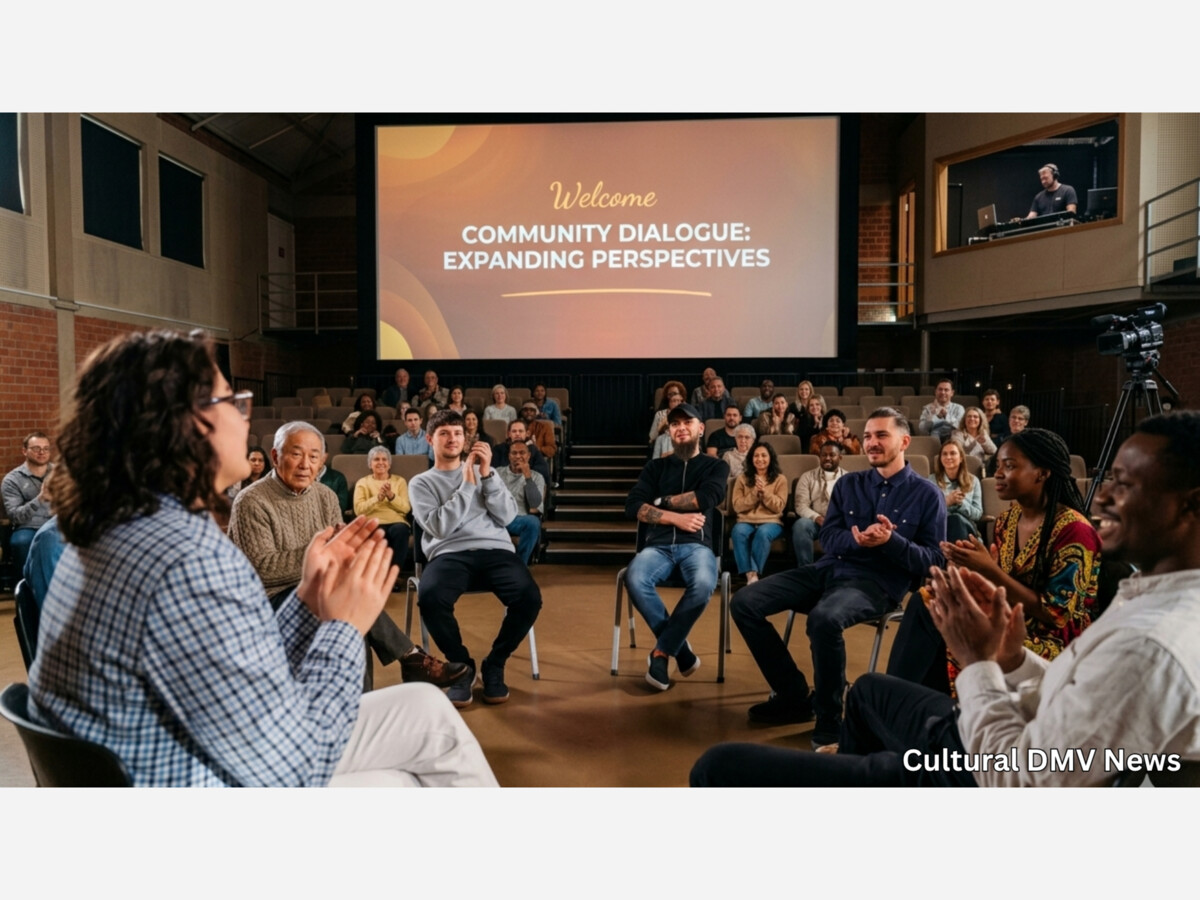
At ReelTalk, you watch. Then you talk. No passive popcorn-chewing allowed.



Forget the sleepy suburban gallery mixer stereotype. Montgomery County is not messing around.
Here is the thing about arts initiatives. Most of them sound good on paper. A mission statement here. A grant there. A few years later, nobody can remember what they were supposed to do.
Montgomery County is doing something different. Three initiatives—a cultural plan, a choir pipeline, and a film series with teeth—are actively reshaping how the arts operate here. No dust-collecting binders. No passive popcorn-chewing. Just collaboration, community data, and a willingness to make people talk to each other.
This is your Sunday morning goldmine. Practitioners and patrons, take notes. And share this with a friend who needs to know what is happening in their own backyard.
 An evening of action-packed screen time and discussion.
For filmmakers, critics, educators, and anyone who thinks a movie should start a conversation, not end one.
You are not allowed to sit in the dark and chew popcorn silently anymore.
The BlackRock Center for the Arts in Germantown is doing something radical. They are taking commercial films—not obscure art house movies, but actual Netflix releases—and turning them into adversarial forums for community debate.
The series runs twice monthly. You watch. Then you talk. Not casual small talk. Structured, facilitated discussion designed to make neighbors who would never speak to each other actually substantively discuss each other's interpretations.
The next event: Wednesday, June 24, 2026, at 7:00 PM.
The film: K-Pop Demon Hunters (Netflix, 95 minutes, directed by Chris Appelhans and Maggie Kang). It scored two Academy Award nominations in 2026—Best Animated Feature and Best Original Song.
The hook: A hyper-visible girl group balancing celebrity status with secret demon-slaying identities. The film is fun. BlackRock uses the narrative contrast to launch debates on modern identity, generational expectations, and media commercialization.
What they said: BlackRock's administrative objective is clear: "foster a love for cinema, build community among film lovers of all ages, and stimulate dialogue and critical thinking." They refuse to let audiences leave without defending their perspectives.
The cinephile verdict: Regular attendees report that the post-screening discussions are deliberately structured to prevent casual small talk. You will talk to the person next to you. You will disagree. You will leave thinking differently.
If you are a filmmaker, critic, educator, or film lover: This is your laboratory. Go. Watch. Talk back. Bring a friend who needs to be challenged.
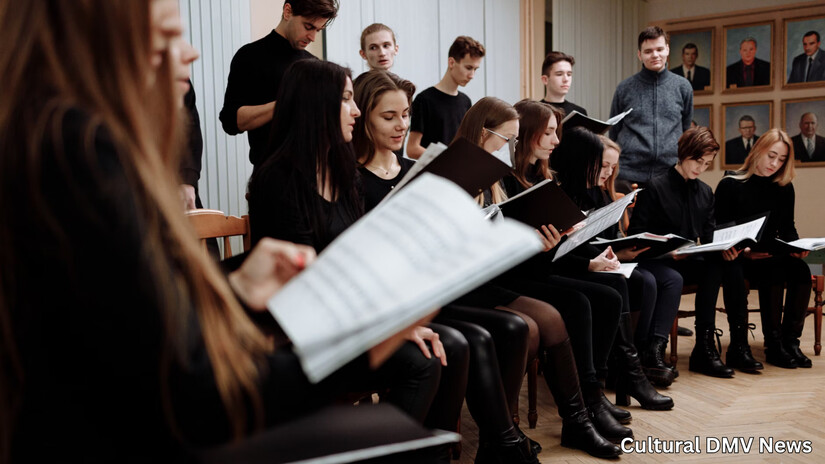 Rehearsals begin on Monday, June 15. Don't miss out.
For singers, choral directors, music educators, and anyone who has missed singing in a room full of people.
Adult choirs took a beating during the pandemic. This is the rebuild.
You cannot have a thriving music scene if your singers are all isolated in their living rooms, singing along to YouTube tutorials. The Summer Choral Institute exists for one reason: to manually rebuild the adult choral pipeline.
It is a partnership between Cantate Chamber Singers (professional vocal ensemble) and Montgomery College Chamber Singers (academic rigor). They are not casually singing campfire songs together. This is a structured intensive: vocal mechanics, sight-reading overhauls, ensemble adaptation. The goal is to force independent suburban musicians to fuse with collegiate-level talent.
The logistics: Rehearsals kick off Monday, June 15, 2026. The final free public performance is Thursday, June 25, 2026, at 7:30 PM inside the Montgomery College Cultural Arts Center in Silver Spring.
What they said: The directing staff emphasizes the urgency. "There's something special about joining at the very beginning... you'd be part of its first chapter." They want singers to pour their "soul and heart and utter need" back into live, collective performance.
The chorister reality check: One independent ensemble vocalist put it simply: "We have so much fun singing our material." But without structural institutions bridging academic and community choirs, local vocal talent disappears into vacuum spaces. Nobody wants that.
If you are a singer, choral director, music educator, or former choir kid who has been hiding in your living room: This is your pipeline back into performance. Mark June 25. Free concert. Good acoustics. No excuse. Bring a friend who used to sing with you.
 MoCo Arts initiatives are now inclusive of artists and other creators.
 For artists of all disciplines, arts administrators, event producers, and anyone who has ever filled out a grant application and wondered if anyone actually reads them.
The county has not done a comprehensive cultural plan in over twenty years. That has changed. The Arts and Humanities Council of Montgomery County (AHCMC) partnered with Metris Arts Consulting—a research outfit that does not mess around—to build a framework that actually aligns with the county's long-range development plan, Thrive Montgomery 2050.
What does that mean in plain English? The arts are no longer an afterthought to housing policy, economic development, and infrastructure. They are baked into the same conversation.
The process was not a few town halls and a survey link buried on a website. Over two years of asset mapping. Community surveys. Data crunching. The goal: identify racial equity gaps, pandemic-era capacity losses, and structural funding holes. Then fix them.
Who is driving the bus: AHCMC and Metris Arts Consulting.
What they said: Anne Gadwa Nicodemus, founder of Metris, put it bluntly: "We're turning the traditional planning model on its head by starting with community voices and lived experiences... This community-first approach allows us to leverage arts and culture as catalysts to address the county's most pressing needs."
Why you should care: The plan is not theoretical. In March 2026, the Montgomery County Council processed a budget supplemental of $53,788 to finalize payments for Metris's work. That is not a suggestion. That is a line item. The arts are in the budget, not just the press release.
If you are an artist (any discipline), arts administrator, event producer, grant writer, or cultural worker: This plan affects your funding, your venues, your audiences, and your future. Pay attention. Show up to public meetings. Make your voice heard. Bring a fellow artist who does not know this is happening.
Montgomery County is not waiting for the arts to save themselves. They are building a cultural plan with clout. Rebuilding a choral pipeline one singer at a time. Turning Netflix screenings into community debates.
Three initiatives. All current. All active in 2026. All worth your attention.
ReelTalk: June 24. K-Pop Demon Hunters. Talk back. Details.
Summer Choral Institute: Free concert on June 25. Details.
Cultural Plan: Policy shift. Budget line item. Real teeth. Contact administrative office at (301) 565-3805 to inquire about meetings.
Practitioners, get involved. Patrons, show up. This is your goldmine. Do not waste it.
Share this article with a family member or friend who needs to know what is happening in Montgomery County arts. Forward it. Text the link. Talk about it at dinner. That is how a scene grows.
#MoCoArts #CulturalPlan #SummerChoralInstitute #ReelTalk #DMVArts
51 years. Countless birthday parties. One pizzeria off Rockville Pike closing June 20.
"The success of Armand's was never just about the food," the owners said. "It was about the people of our community." Read the story Monday morning.
Link here to follow the story.



Overcast, with a high of 62 and low of 46 degrees. Don't forget your umbrella! Patchy rain nearby in the morning, overcast during the afternoon, clear during the evening, light drizzle overnight.