65° and Overcast
Image
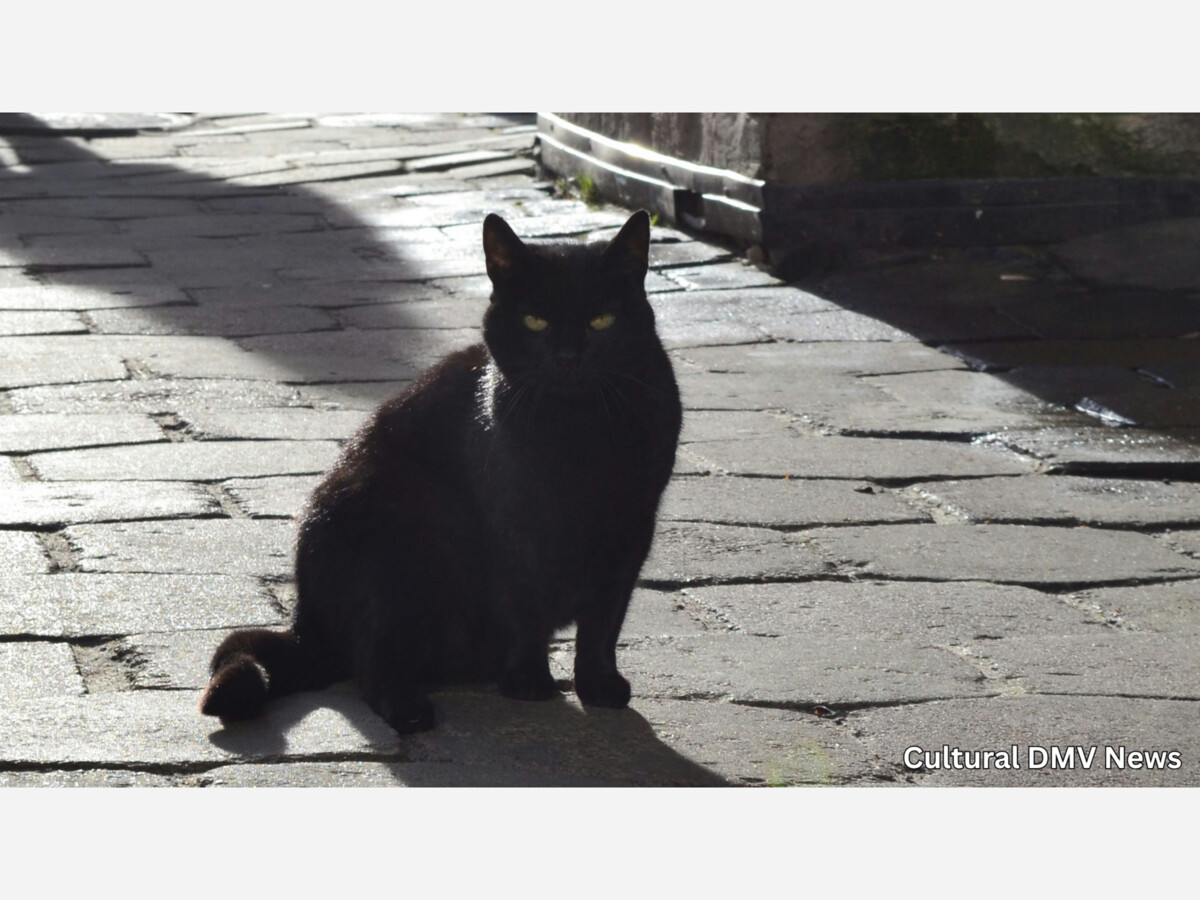
A cat on a cobblestone street. The Capitol's Demon Cat was reportedly tiger-sized. This one is not. Photo by Lisa Shablii on Unsplash.



Published October 11, 2026 · 3 min read
This is the latest installment of "Before It's Gone," a Monday series on Cultural DMV News about the places, traditions, and voices we can discuss, understand better and preserve together.
In 1862, a sentry stationed in the flour-dusted basement of the U.S. Capitol watched an ordinary black cat swell into something monstrous—tiger-sized, then larger—before it vanished. He fired his weapon. The shot went through the shape and hit nothing. The cat was gone.
That's the first recorded appearance of the Capitol Demon Cat, documented by the U.S. House of Representatives' own history office. According to legend, the cat returns before national tragedies: Lincoln's assassination in 1865, the Stock Market crash of 1929, JFK's assassination in 1963.
But here's what matters more than whether the cat was real. For much of the 19th century, stray cats were a common presence in the Capitol—they kept the rodent population down. Guards reported bands of them racing through the marble corridors at night. The acoustics, as one 1892 newspaper noted, made their shrieking sound "like that of a damned soul."
The legend didn't come from nowhere. It came from the building itself.
The Capitol is the famous one, but the region is dense with stories that do the same work—turning cold stone into something alive.
Decatur House on Lafayette Square. Commodore Stephen Decatur was mortally wounded in an 1820 duel, fourteen months after moving in. His ghost reportedly appeared in the window of the room where he died, looking out at the square. The window was bricked up to stop it.
Crybaby Bridge on Governor's Bridge Road in Bowie. A century-old one-lane truss bridge over the Patuxent River. Legend says a child was murdered in the water below. Locals have reported hearing an infant's wail on blustery nights. The bridge was barricaded in 2015 for steel corrosion. The story outlived the structure.
The Old Stone House in Georgetown. Built in 1765, it's the oldest structure on its original foundation in D.C. Depending on who's counting, somewhere between eight and thirteen spirits are said to linger there, including a strict woman in a long grey dress who still wipes down the countertops.
Three authors have done more than anyone to treat these stories as cultural history rather than campfire tales.
Tim Krepp, a veteran D.C. guide, wrote Ghosts of Georgetown and Capitol Hill Haunts. His argument is the sharpest: "If you tear down that fabric, there's nothing for the story to latch onto. No one wants to listen to a story that starts, 'On this parking lot, once stood the home of...'"
Alex Matsuo, author of Haunted Northern Virginia, digs past the tourism veneer to find the historical tragedies underneath. E. Ashley Rooney, who wrote Washington, D.C.: Ghosts, Legends, and Lore, explicitly links shifting regional architecture to the stories that survive it.
And then there are the walking tour guides—DC by Foot, DC Ghosts—who tell these stories nightly on brick sidewalks. They're the living archive.
Modern security restrictions. Sealed basements. Buildings demolished for condos. When the physical theater disappears, the story loses its stage. Krepp's point isn't romantic. It's practical: ghosts need addresses.
Buy regional history books from independent bookstores, not algorithms. Take a walking tour and tip the guide. Treat the storytellers as the community assets they are.
The next time you pass a historic building, remember: the city's real soul isn't in the official paperwork. It's in the stories whispering from the shadows.
#BeforeItsGone #DMVLore #CapitolDemonCat #CrybabyBridge #OldStoneHouse #DecaturHouse #CulturalDMV


Light rain, with a high of 68 and low of 61 degrees. Don't forget your umbrella! Moderate rain for the morning, light rain during the afternoon, light rain shower during the evening, overcast overnight.