54° and Clear
Image
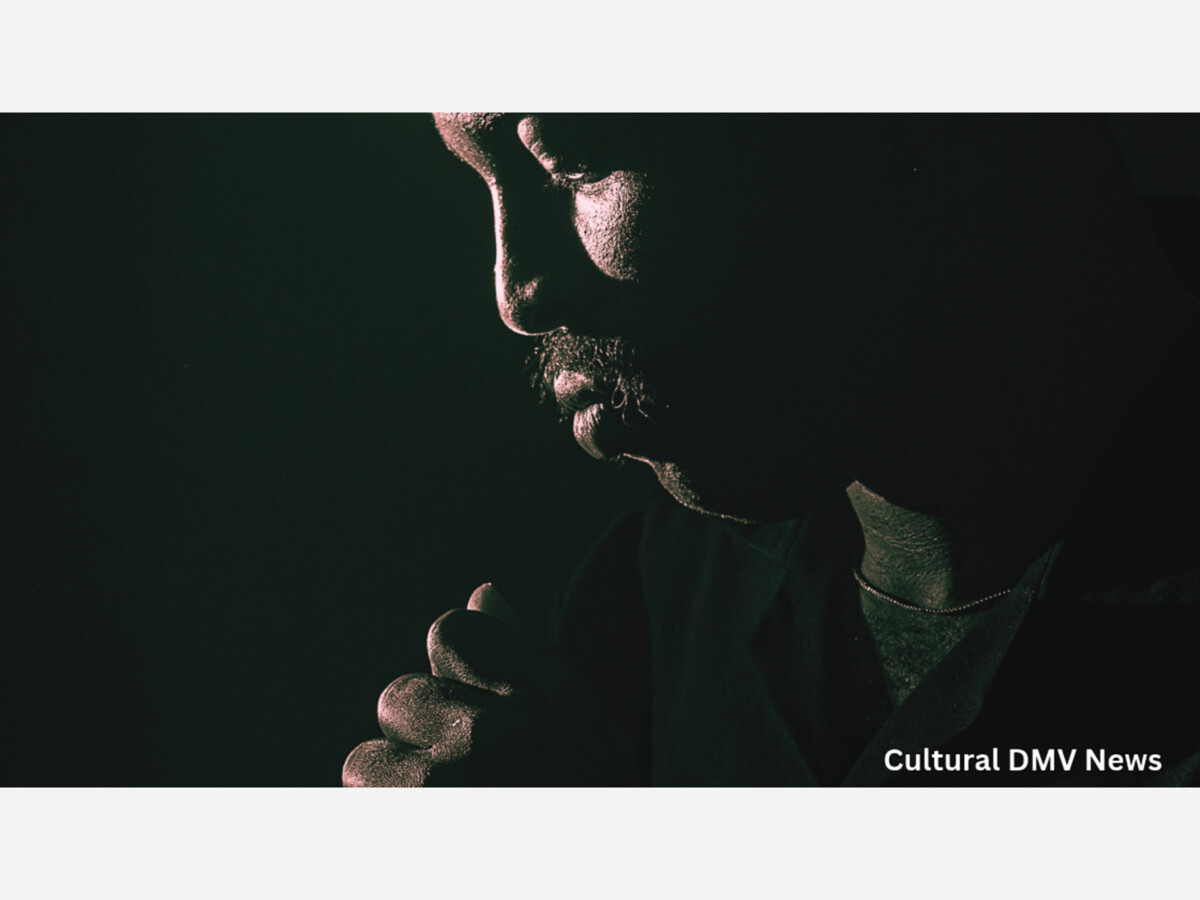
Image via Canva. Sepia effect applied by Cultural DMV.



Published November 8, 2026 · 4 min read
This is the latest installment of "Before It's Gone," a monthly series on Cultural DMV News about the places, traditions, and voices we can discuss, understand better and preserve together.
There used to be a saying in Washington that carried the weight of a legal contract, a blood oath, and a neighborhood handshake all at once: "Word is bond."
The phrase didn't start here—it's a shortening of "my word is my bond," carried through the Nation of Gods and Earths movement in New York City and into hip-hop. But in 1980s DC, it went beyond being a lyric and became a local ordinance. It was a promise to pay you back when money was tight. A guarantee that a borrowed thing would come home. A pledge of street-level support when the city felt volatile.
And in the rooms where poetry happened, it meant something narrower and heavier: what comes out of your mouth next is true, and you will stand behind it.
Back in the day, if you had a political, social, or emotional grievance in Washington, you didn't tweet it. You performed it.
Today, the invocation is "on God"—a far cry from a person's word given and kept. Back in the day, in the rooms where poetry happened, "word is bond" meant something narrower and heavier: what comes out of your mouth next is true, and you will stand behind it.
Official Washington was marble and distance—statements, hedges, everything phrased for the record. The other Washington was underground and spoke plainly.
In 1971, a weekly reading series called Mass Transit started in a room above the Community Bookstore on P Street, near Dupont Circle—a poetry lab that ran until the bookstore closed in 1974. Drum and Spear, the Black-owned bookstore co-founded in 1968 by SNCC veterans, did more than sell books: it hosted readings, ran a press, and functioned as a cultural and political center for the community.
By the 1980s, the network had spread through Adams Morgan, the U Street Corridor, and Dupont—coffeehouses, basements, and bookstores where the microphone was the only credential that mattered.
The style was local and unmistakable. Shaped by hip-hop, go-go, punk, and the area's own voices for change, DC poetry developed its own bounce—aggressive, soulful, and built for a room rather than a page.
Here is what separated that era from this one, and it isn't nostalgia. It's structural.
Today a grievance is typed into a screen and launched into a void, measured by retweets. In 1980s Washington, expression required physical presence. You stood on a dented stage in a packed, humid basement and looked your neighbors, your rivals, and your community in the eye.
There were no cell phones. No digital footprint. The performance existed for that room, those people, that second.
And here's the part that gets lost: the dignity was in the attempt, not the polish. People got up who had no business being on a stage. They mumbled. They lost their place. They read from crumpled paper with shaking hands. The room didn't mock them. The room held them. Snapping fingers, low affirmations, the occasional "go head"—that was the contract being honored in real time.
You couldn't mute a critic. You couldn't block someone who disagreed with your politics. Accountability happened face to face, over lukewarm coffee, and it was terrifying and it was the point.
There's a reason a younger generation is looking backward. Algorithmic fatigue is real. Thousands of followers can still leave a person isolated. What Gen Z is hunting for isn't the vintage fashion or the retro aesthetic—it's the texture of a life lived in the present tense, in a room, with consequences.
And the rooms still exist. They're smaller, they're scattered, and they don't advertise the way a feed does, but they're there.
The closest thing to those old jams in 2026 is Busboys and Poets, which runs open mics across multiple locations nearly every night of the week. The 14th & V location at 2021 14th St NW hosts a rotating cast of hosts and formats: 1st Tuesdays with Twain Dooley, 5th Tuesdays with Charity Blackwell, and the 4th Saturday Slam at the Anacostia location—a competitive late-night poetry event with a cash prize and a crowd that votes.
There are others. Slamtastic, run by Words Beats & Life, is a youth open mic and slam series. Release Open Mic has been building toward its fifth anniversary. The Melting Pen bills itself as one of the DMV's premier spoken word events.
None of them are carbon copies of a 1980s basement. They shouldn't be. But the mechanics are the same: a room, a microphone, a person with something to say, and an audience that has to decide whether to honor the bond.
The commercial rents keep climbing. The third spaces keep closing—the ones where showing up was easy, and speaking your own truth was the risk you took when you were ready.
But the tradition didn't die. It moved, it adapted, and it's still running on Tuesday nights in a bookstore-bar on 14th Street.
The word is still bond. Show up and hear it.
#BeforeItsGone #DCPoetry #WordIsBond #SpokenWord #BusboysAndPoets #CulturalDMV

Sunny, with a high of 61 and low of 45 degrees. Sunny in the morning, clear for the afternoon and evening,