52° and Clear
Image
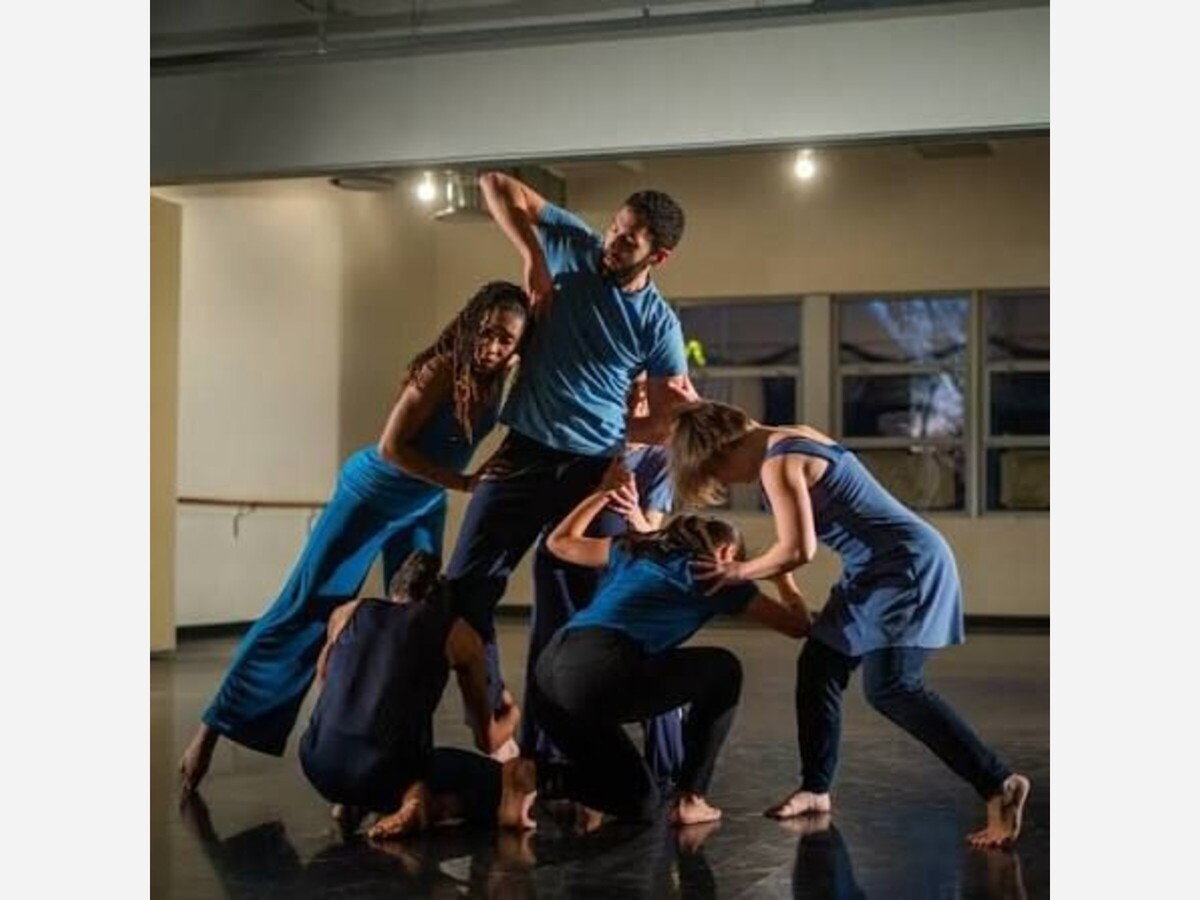
Dancers rehearsing a contemporary work in the Dance Exchange studio in Takoma Park.



It's Sunday morning at 7117 Maple Avenue, and the light through those big studio windows is doing that thing where dust motes look like they're dancing before anyone's started. Bare feet hit the floor. Someone laughs. Someone else is still taking off their coat. The music hasn't started yet.
This is Dance Exchange. Not a dance studio—really. It's an intergenerational living room where bodies of all ages tell stories. The premise underneath is almost embarrassingly simple: everybody can dance. It's been the operating principle since 1976, when Liz Lerman founded the company and decided modern dance's obsession with youth, fitness, and virtuosity was, frankly, a little boring.
In the late '70s, the dance world was young, fit, exclusive, and a little smug about all three. Lerman started in 1975 teaching dance to older adults at the Roosevelt for Senior Citizens, and something clicked—not because the work was therapeutic, but because older dancers brought movement histories and a different relationship to time and gravity. Within a year she founded Dance Exchange on cross-generational, cross-racial, cross-class work.
The company moved to Takoma Park and eventually bought a former U.S. post office, renovating it into a three-studio complex the community helped purchase in 1999. Pause on that: a dance company didn't just rent space in a neighborhood. It bought a building—with its neighbors' help—and turned it into a permanent civic asset. Now that's a commitment.
A studio nearly 50 years old accumulates stories the way floors accumulate scuffs. There's the person who took creative movement classes in the '90s and now brings their own toddler. There's the aging professional collaborating with someone who didn't start dancing until 70. The building doesn't just hold dancers. It holds time.
Here's where it gets interesting. The schedule doesn't separate the "serious" dancers from beginners. Takoma Park MOVES is designed for families, professionals, and community members of all ages and abilities. No experience necessary.
Dance On, held online Thursdays from 11 AM to noon ET, is geared toward older adults but, as the website cheerfully notes, "we don't card at the door." Sliding scale pricing ($5–$20) keeps it open. It's not watered down—it's full creative engagement: guided warm-ups, solo and group dance-making, and a community that gathers every week.
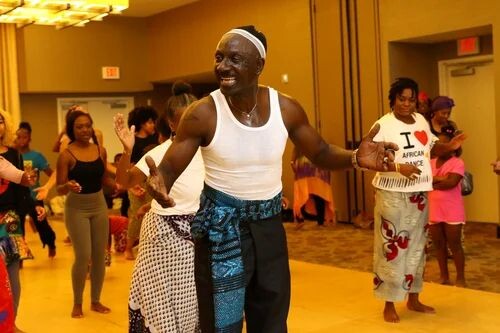
Then there's KanKouran, which takes over every Saturday with West African dance and drumming: Children's Drum at 11 AM, Children's Dance (ages 4–12) at 12:15, Teen Dance (13+) at 1 PM, and Adult Community Dance at 1:45. Live drums throughout. $12–$15 per session. Drop-ins welcome—no pre-registration, no commitment. A Saturday that runs from toddlers to elders, in one building, rooted in one tradition.
The methodology proves something the rest of the dance world is still catching up to: a 7-year-old, a 25-year-old professional, and an 80-year-old retiree each possess unique movement wisdom. Unselfconsciousness. Technique. Eight decades of knowing how weight and balance actually work. Put them in the same room and the hierarchy dissolves. There's no ego on that floor.
Dance Exchange keeps evolving—turning toward environmental justice, aging, and racial equity through programs like the Takoma Arts Exchange and the Climate Institute. A new front door on Maple Avenue opens the building to the street for the first time in over a generation. The studio is literally opening itself to the neighborhood.
The class ends. Dancers of all backgrounds sit in a circle, catching their breath. Someone's kid wanders through. Nobody minds. The light has shifted—late afternoon now, longer shadows.
In a fast-paced world, the studio remains an anchor. A place where Takoma Park comes to move, remember, and belong. And where the floor, scuffed and scratched and still holding, keeps telling the story.
#DanceExchange #TakomaPark #LizLerman #KanKouran #IntergenerationalDance #DMVArts #CulturalDMV


Sunny, with a high of 66 and low of 47 degrees. Sunny for the morning, clear for the afternoon and evening,