Image
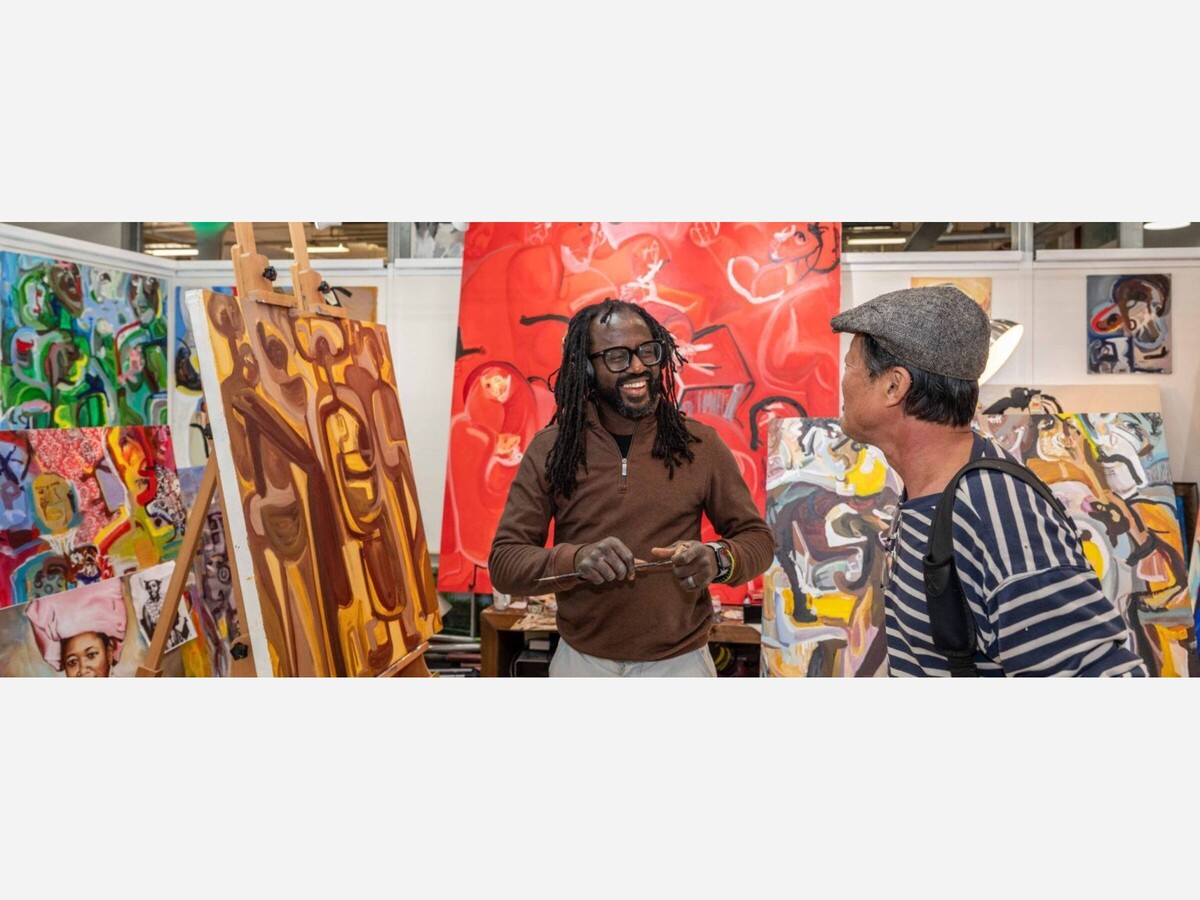
Torpedo Factory Art Center photo courtesy of the City of Alexandria Office of the Arts.



In 1974, a group of Alexandria artists led by Marian Van Landingham walked into a dilapidated munitions plant on the Potomac River and refused to leave. They saw not a crumbling Navy building, but 165 studios waiting to happen. Fifty-two years later, the Torpedo Factory Art Center draws half a million visitors a year—and its founding story still holds the key to every DMV artist's search for space.
That story is not a relic. It is a blueprint.
This is a practical, outcome-based guide showing local creators exactly how specific municipal rules carve out spaces where they can legally live, work, and collaborate. Understanding the local zoning map is the ultimate shortcut to finding affordable studios, building creative communities, and launching collaborations across the District, Maryland, and Virginia.
The DMV is one of the most expensive real estate markets in the country. Rents are high. Space is tight. And for artists, most residential and commercial spaces are not designed for creative production.
But the DMV is also a region that has been intentional about preserving its creative communities. For decades, local governments have passed policies that carve out exceptions to the usual zoning rules. These exceptions create spaces where artists can thrive.
Understanding these policies is not just about compliance. It is about access.
Eliminating double rent by legally producing art in a residential space without facing eviction or code violations gives you financial stability, 24/7 creative access, and the freedom to experiment without fear of noise complaints.
Where to look:
For ceramic artist Julia O'Brien, the Torpedo Factory's post-graduate residency program provided the bridge from art school to professional life, giving her space to create, develop, and sell her work under one roof.
Overcoming studio isolation by embedding into a dense neighborhood means pre-packaged foot traffic via Art Walks, relaxed municipal rules on street closures, and tax incentives that make selling your work more profitable.
Where to look:
Government contacts:
Here is the truth that most artists never discover until it is too late. Zoning is not just for developers. It is the hidden scaffolding that dictates where subcultures can take root in the DMV. The artists who thrive are not always the most talented. They are the ones who understand the system and use it to their advantage.
The reward is not just finding a cheap studio. It is discovering that the city has already made space for you.
Bookmark this guide. Check your local jurisdiction's arts overlay map. Reach out to one of the organizations above. Protect your practice and your pocketbook.
.#DMVArtists #LiveWorkSpace #ArtsDistrict #CreativeSpace #ZoningForArtists


Sunny, with a high of 69 and low of 47 degrees. Sunny for the morning, clear for the afternoon and evening,