

Image
Before you read another word, do this.
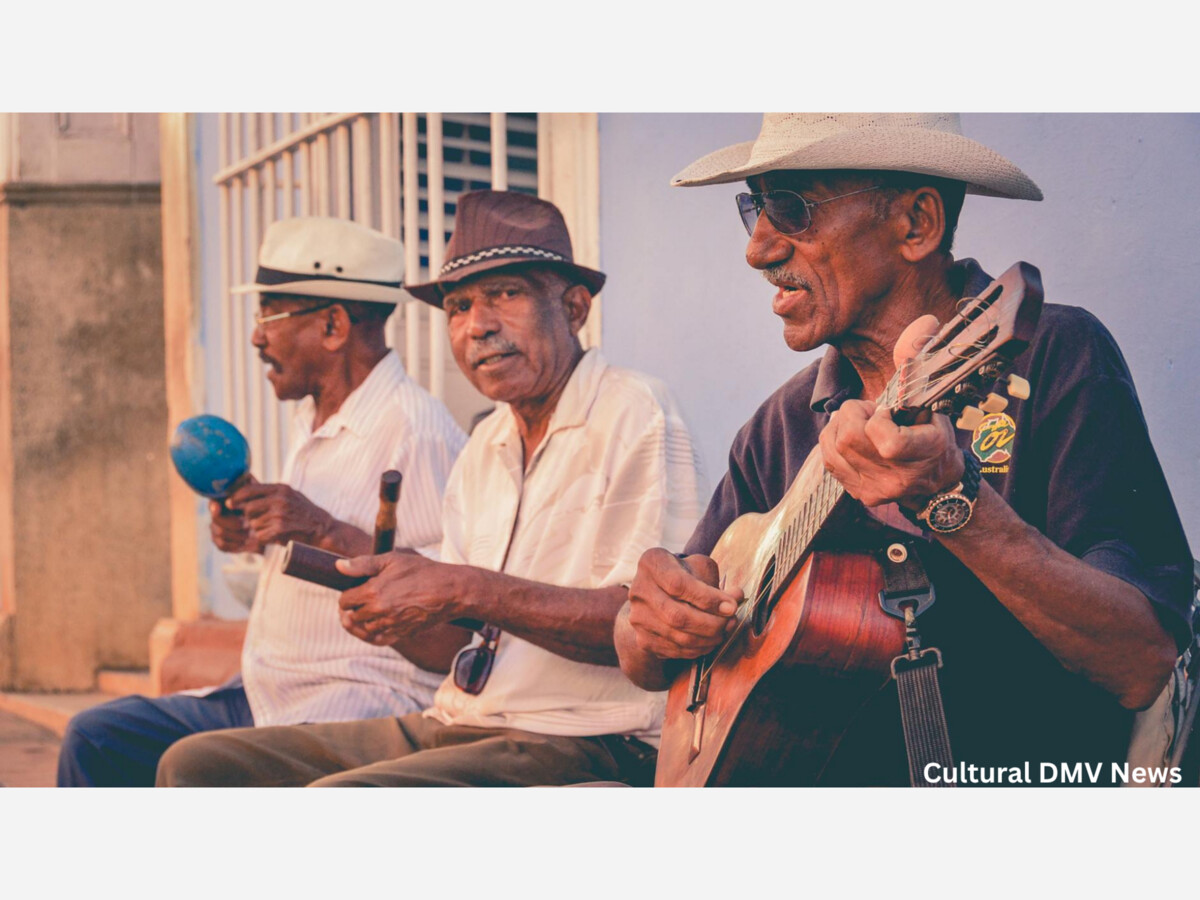
Open a new tab. Type "Chuck Brown - Bustin' Loose." Or "Buena Vista Social Club - Chan Chan."
Press play. Let the beat find you.
Clap along. One minute. Just the rhythm.
Now come back. Keep tapping. Feel your shoulders drop.
Good. Keep reading.
You know the feeling. A song comes on with a pulse you cannot ignore, and your foot starts tapping before you decide to move. Your breathing slows. The noise in your head quiets.
That is not just enjoyment. That is medicine.
Across cultures and centuries, humans have used rhythm to heal. Modern neuroscience is now catching up. Steady, patterned rhythm lowers stress, improves focus, and builds connection. At the heart of some of the world's most enduring musical traditions lies a simple five-stroke pattern called the clave.
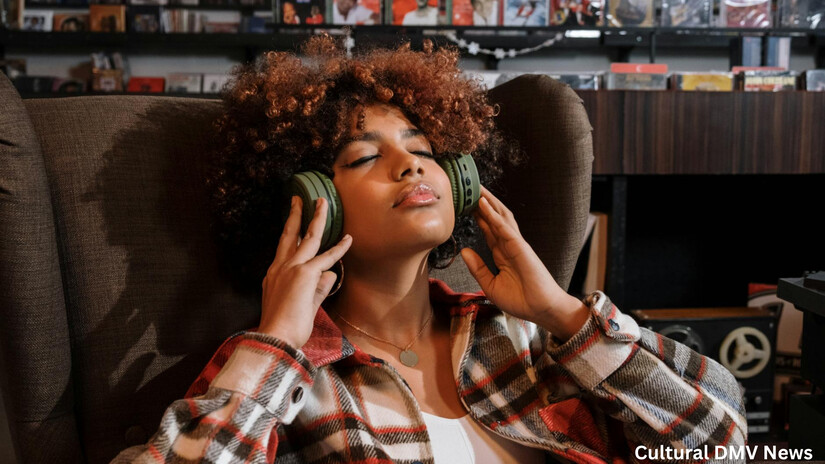
When you tap to a beat, your brain synchronizes. This process, called entrainment, has measurable effects. Research shows that rhythmic music reduces cortisol (the stress hormone) and increases dopamine (the pleasure chemical).
A 2022 study of adolescents with autism found that eight weeks of drumming lessons led to improvements in ADHD symptoms, social skills, and self-regulation. Brain scans confirmed improved connectivity in areas responsible for focus and impulse control.
Drumming while keeping a steady pulse with another body part builds neural connections through the synchronization of movement and sound. The combination of rhythm, movement, and social connection is uniquely powerful.
The Cuban publication Granma recently reported on music therapy applications for depression, autism spectrum disorder, Down syndrome, cerebral palsy, and anxiety. Percussion, one Cuban specialist observed, "contributes to improving concentration and memory, along with strengthening self-esteem and social interaction."
You do not need drums or training. Try this:
Notice what happens. The mental chatter quiets because your brain is too busy tracking the pattern to ruminate.
The clave (pronounced CLAH-vay) is both an instrument—two wooden sticks—and a rhythm. The son clave, the most famous pattern, is a five-stroke sequence spread across two measures. It can be played 3-2 (three strokes in the first measure, two in the second) or 2-3.
That simple pattern is the foundation of son, salsa, timba, and most Afro-Cuban music. For anyone who has ever tried to play it, it is deceptively difficult. The third stroke of the three-side falls on the "and" of the fourth beat—right in the space between the expected beats. Your body wants to rush it.
That challenge is precisely what makes the clave therapeutic. The syncopated nature of the rhythm compels the brain to focus entirely on the present moment. This acts as a form of "drumfulness" —a meditative state that breaks cycles of anxiety.
The clave is not alone. West African highlife music, which emerged in Ghana and Nigeria in the early 20th century, is built on similar interlocking rhythmic structures. Highlife combines indigenous Akan and Ewe rhythms and melodies often played with modern brass band instrumentation. The groove emerges from the space between the parts.
In Afro-Cuban traditions, the rumba clave differs slightly from the son clave, but the principle is the same: a repeating pattern that functions as a map for everyone in an ensemble. We could spend paragraphs on the history. But the point is simpler. Once the pattern locks, individual players stop playing their own parts and start listening. The music becomes a conversation.
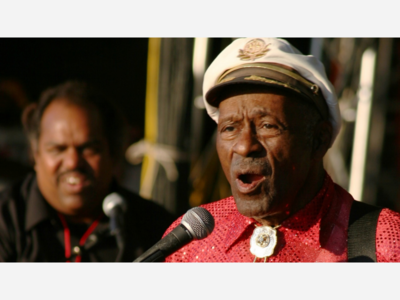
Washington, D.C.'s go-go finds the same grounding rhythm through different tools. Chuck Brown and the musicians in his band developed a relentless, syncopated pocket built on bass drum, snare, hi-hat, congas, timbales, and cowbells. Brown described it simply: "It don't stop, it just keeps going and going and going."
Go-go relies on call and response—the audience and musicians feeding off each other. That interaction forces you out of your head and into the room. One DCPS teacher described go-go as her "comfort music" during the pandemic, providing stress relief and memories of more positive times.
The clave asks you to think. Go-go asks you to move. Both, in their own way, heal.
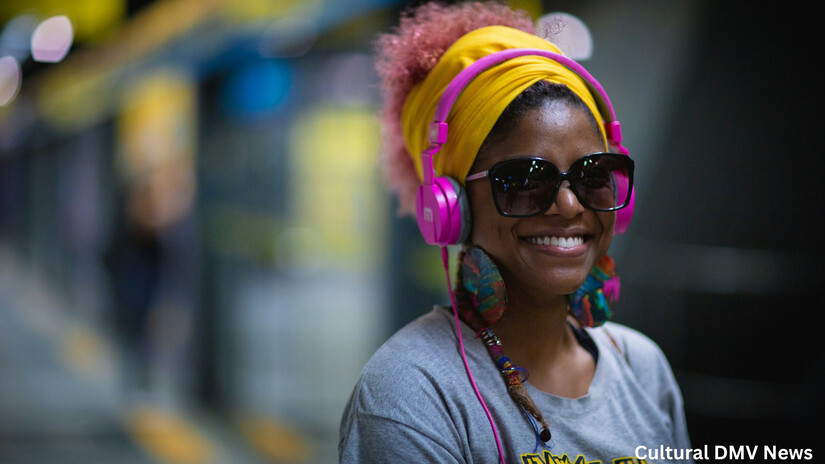
The rhythm serves as an anchor. It syncs body and mind. It reduces mental chatter. It fosters a sense of peace.
Researchers have developed rhythm-based therapies for aging populations, Parkinson's disease, stroke patients, and dyslexia. The goal is always the same: use the brain's natural ability to synchronize with rhythm to drive positive change.
Simon Faulkner, a pioneer in this field, developed an intervention called DRUMBEAT. It is the only music program to gain five-star evidence rating as a mental health intervention. His work demonstrates that rhythm is not a luxury. It is a legitimate therapeutic tool.
The next time the weight of the week presses down, try this. Put on a song with a strong clave. Or a go-go track that never stops. Do not analyze it. Do not critique it. Just tap along. Let the rhythm carry you.
It will not solve everything. But for three or four minutes, you might notice something shift. The jaw unclenches. The shoulders drop. The breath deepens.
That is what rhythm does. And it has been healing humans for as long as we have had hearts.
#ClaveHeals #MusicTherapy #GoGoMusic #Highlife #RhythmAndRecovery


Overcast, with a high of 62 and low of 46 degrees. Light drizzle for the morning, overcast in the afternoon, clear in the evening, moderate rain overnight.