

Image
Before it's gone, you should know what the 8×10 meant. Not just as a venue. As a room. One of many rooms like it across Baltimore and beyond.
A 200-capacity box in Federal Hill with a spring-loaded dance floor and a balcony where you could lean over and feel the bass in your teeth. Phish played their first Maryland show there. It was billed as "Cosmic Music from Vermont". Umphrey's McGee. Little Simz. Galactic. For 40 years, it was a room where people gathered simply because they wanted to be together around music. That is rare. That is fragile. And on June 30, that room goes dark.
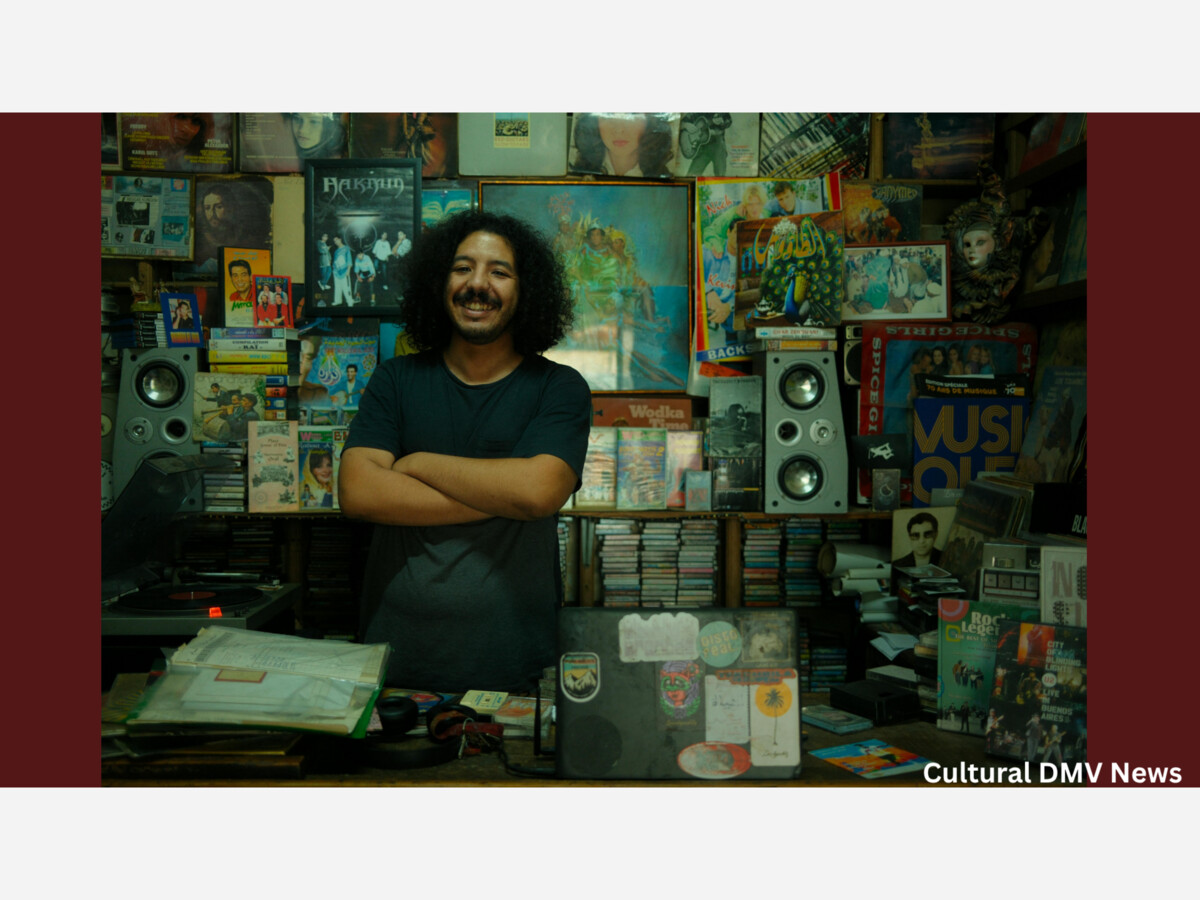
Six minutes north, on Harford Road, a different room is still lit. Wax Atlas is a used record store by day. By night, it becomes a concert venue for emerging bands. In under three years, it has hosted more than 300 shows. Owner Andrew Phillips does not take a paycheck. All the money from record sales goes back into music programming. Last month, a BGE fee threatened to shut off the electricity. The community raised $11,000 in 24 hours.
Two rooms. Two fates. But the question is not which one is better. The question is: what does it take for a music room to survive?
The 8×10 opened in 1983 as Joe's Organic Juice Bar. For four decades, it ran on the old model: sell tickets, sell drinks, pay the band, repeat. Current owners Brian Shupe and Abigail Janssens took over 20 years ago. "Stewardship," Shupe called it. They extended their lease. They looked for a buyer. No one stepped forward. Now they are retiring to care for aging parents.
The 8×10 did nothing wrong. But younger crowds drink less. Rent in Federal Hill climbed. Insurance costs did not stop. The margins got thinner. The old model, which worked for 40 years, stopped working. That is not failure. That is time.
Wax Atlas runs on a different logic. The record store is not a separate business from the venue. It is the engine. Every vinyl sale, every dollar that walks in during daylight hours, goes back into the music. Phillips does not take a paycheck. That is not a boast. It is a structural reality. The business is designed to break even, not to generate profit. The profit is the shows. The profit is the community.
That model is fragile. The GoFundMe proved it. A single BGE bill nearly shut the whole thing down. But the model also proved something else: when the room gives, the people show up.
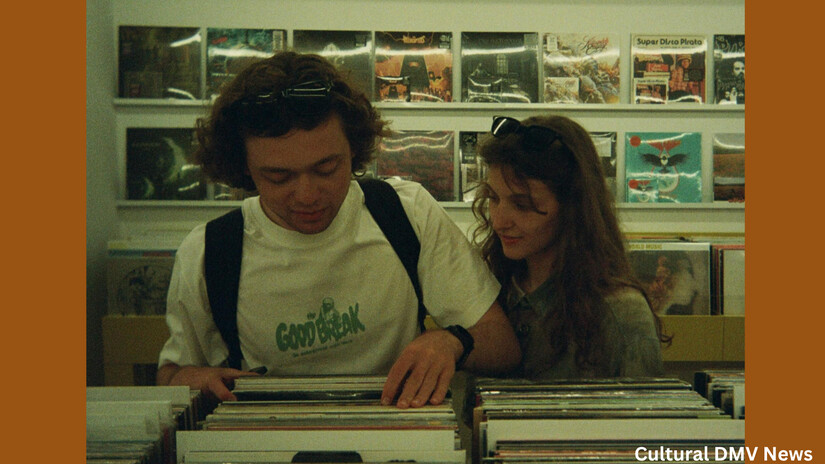
Wax Atlas is not alone.
Lurking Class Skate Shop in Salisbury is a skate shop that doubles as a venue. One attendee called it a "church." Owner Bryan Whipple refuses to lose: He believes in it. So, he just has to do it tired.
The Artist Shed at Capital Lounge is an open mic run by a nonprofit foundation. Tickets are $13. Featured artists keep 100% of their tips. The mission is "Supported, Affirmed, Fueled, Empowered." No one is getting rich. The point is the stage.
The Listening Booth in Delaware is a pay-what-you-want music room. Owner Marissa Levy does not take a paycheck. She told Delmarva Public Media: "This is such a hard business. It is not a lucrative business."
What these spaces share is not a business plan. It is a value. They exist because someone decided that the music mattered more than the margin. They are not bars that happen to have music. They are music spaces that happen to sell something else—records, skateboards, a sense of belonging.
The 8×10 is closing. That is a fact. But the deeper loss is not one room. It is the idea that a room can exist simply for the love of congregation.
The old model assumed that people would buy tickets and drinks, and that would be enough. For decades, it was. But the new reality is more fragile. Younger audiences drink less. Streaming has made music feel free. Rent keeps climbing. Insurance keeps climbing. The margins keep shrinking.
The hybrid spaces—the record shop that becomes a stage, the skate shop with a PA, the pay-what-you-can listening room—are experiments. They may fail too. The GoFundMe that saved Wax Atlas this time may not come next time. The landlord could raise the rent. The owner could burn out. The community could move on.
This is not just about the 8×10. It is about every room that is one bad month away from closing.

If you have never been to the 8×10, go before June 30. Stand on that spring-loaded floor. Feel the band and the crowd move together. Say goodbye to a room that loved back.
Then drive six minutes north to Wax Atlas. Buy a used record. Stay for a show. Ask the owner how it is going. He will tell you the truth: it is hard. But he is still here.
Go to Lurking Class in Salisbury. Buy a skateboard or just watch a band in a room full of people who found a church in a skate shop.
Go to The Artist Shed. Bring $13. Watch an emerging artist take a risk. Clap loud.
These spaces will not be saved by articles. They will be saved by people who show up. Not once. Not when there is a crisis. Regularly. With their attention and their dollars and their presence.
The 8x10 may be fading, but Wax Atlas stands firm. The difference isn't accidental; it’s born of design and fueled by devotion. Amidst the chaos, the people decided that the music was worth saving.
Next time, the crisis may not have a happy ending. So go now.
#8x10Baltimore #WaxAtlas #LurkingClass #TheArtistShed #LiveMusicFragile



Overcast, with a high of 62 and low of 46 degrees. Light drizzle for the morning, overcast in the afternoon, clear in the evening, moderate rain overnight.