Image



Imagine a chef — not a fancy one, just someone who really loves food. She's standing in a kitchen. There's olive oil on her hands. She's about to cook something simple.
"So people ask me all the time: 'What is the Mediterranean diet?' And they want me to say something like 'heart-healthy plant-forward eating pattern with reduced cardiovascular risk factors.'"
She laughs. Wipes her hands on her apron.
"Look. I'm not a doctor. I'm a cook. So let me tell you what it actually tastes like."
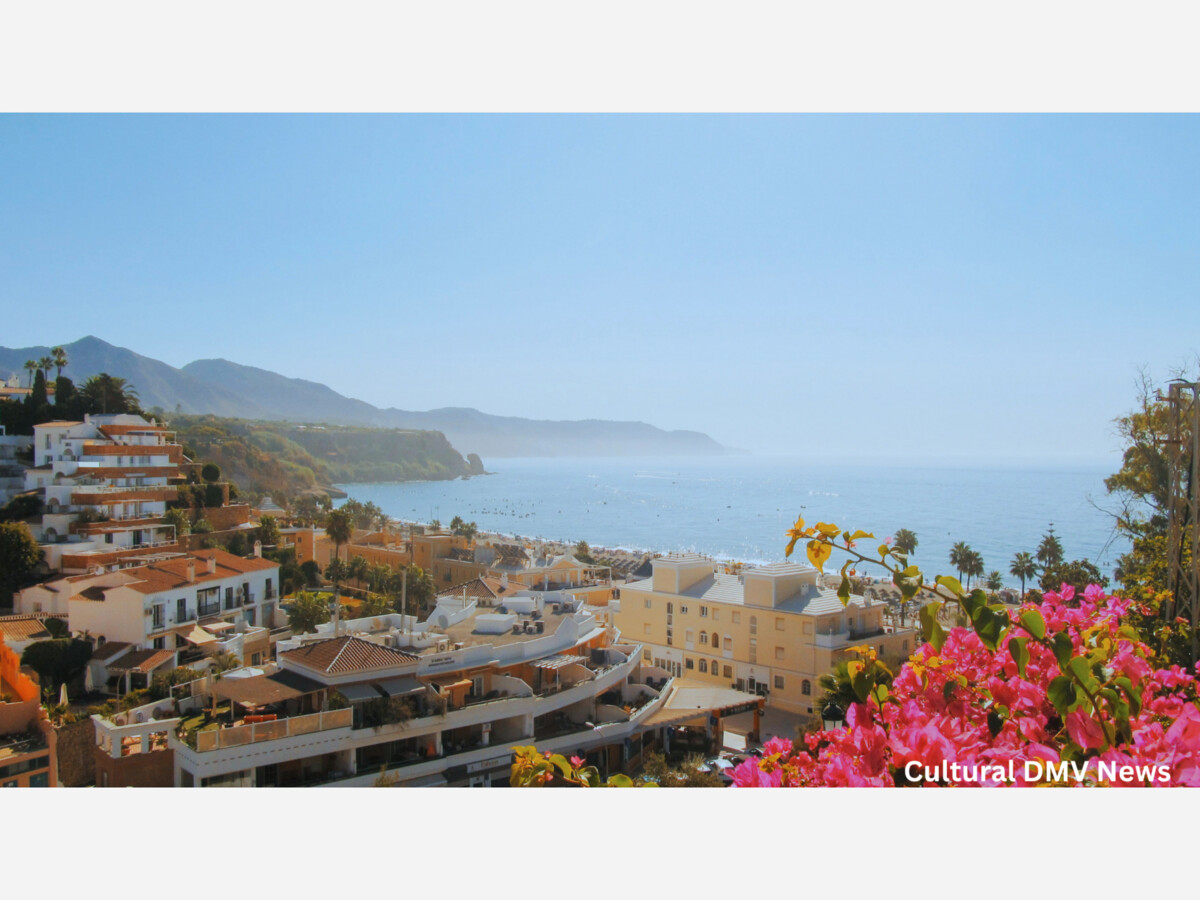
The Mediterranean touches 21 countries. Greece and Italy get all the attention, but the conversation is much bigger than that. Lebanon. Morocco. Egypt. Turkey. Syria. Tunisia. The south of France.
Most people think "Mediterranean diet" means Greek salad and olive oil. And yeah, that's part of it. But you're missing the entire eastern half of the sea. The spices. The preserved lemons. The way they cook lamb in Marrakesh versus the way they grill fish in Nice — same sea, totally different flavors.
That's the thing about this "diet." It's not one thing. It's a conversation between several countries' traditions who all figured out the same secret: eat plants, use good oil, and don't eat alone if you can help it.
Good olive oil is thick. It's green. It smells like grass and pepper. When it heats up, it doesn't smoke right away like butter or cheap vegetable oil. It just gets fragrant. That's why people around the Mediterranean have been using it for thousands of years. It's not just healthy. It tastes like where it came from.
Hear that sizzle? That's the sound of dinner starting.
Mediterranean cooking uses herbs the way other cuisines use salt. Oregano from Greece — earthy, a little minty, nothing like the dusty stuff in the jar at the back of your cabinet. Thyme. Rosemary. Mint. Cumin. Paprika. Sumac — a lemony spice from the Middle East.
You don't need a salt lick if you have good spices. And yeah, sometimes a little heat. Not crazy. Just enough to wake things up.
Here's what people get wrong about the Mediterranean diet. They think it's all salads and grilled fish. And yes, you eat those things. But you also eat bread and cheese.
Not the factory stuff. A good loaf — flour, water, salt, time — and a piece of sheep's milk feta that crumbles instead of melts.
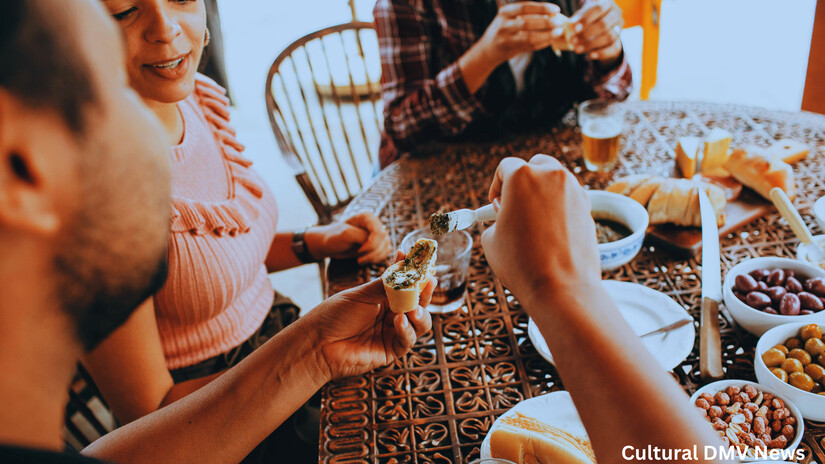
Break off a piece of bread. Drizzle it with olive oil. Top it with a crumble of feta. The bread is chewy. The oil is fruity. The cheese is salty and a little tangy. Three ingredients and you have a meal. That's the Mediterranean diet.
What about the fish? Yes, people who live near the sea eat a lot of it. But here's what they don't tell you: they don't eat giant tuna steaks every night. They eat small fish. Sardines. Anchovies. Mackerel. The stuff that's cheap and sustainable and doesn't take an hour to cook.
Sardines packed in olive oil. A little lemon juice. Parsley. On that same crusty bread. It takes four minutes. And it's delicious if you're not weird about bones. Don't knock it till you try it.
The real star of this whole thing isn't the fish. It isn't even the olive oil, as beloved as it is. Its vegetables cooked until they're soft and sweet and caramelized around the edges.
You don't steam them. You don't eat them raw and sad. You cook them in the olive oil. You let them get brown in spots. You add garlic. You add herbs. You eat them with a spoon.
Ratatouille. Caponata. Imam bayildi — a Turkish eggplant dish. Same idea, different countries. Vegetables cooked slowly with good oil and patience. That's the diet. Not a list of rules. It's a different way of treating produce - like it matters.
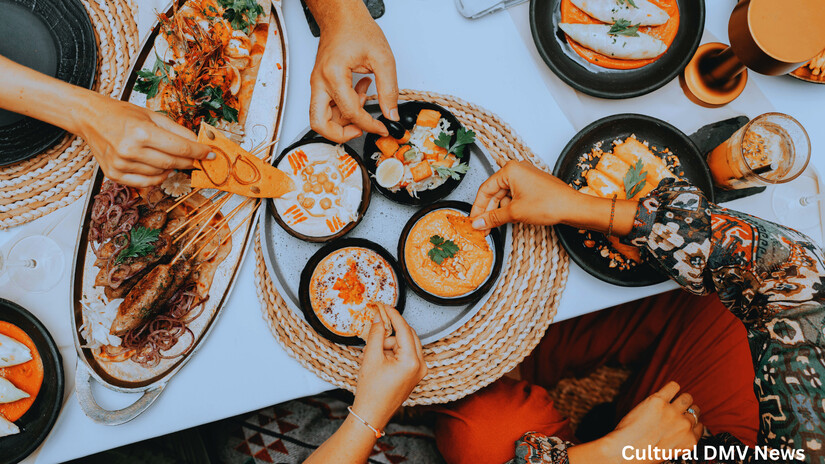
The last thing — and this is the part no study can really measure — people in the Mediterranean don't eat alone. Not really. They sit down. They take their time. They talk. They feed each other.
You could eat a perfect Greek salad standing over the sink in three minutes. And yeah, it's healthy. But you're missing the point. The "diet" isn't just the food. It's the fact that you put down your phone and actually taste what's in front of you.
You don't have to fly to Greece or Lebanon to eat this way. Here are a few places to start.
Zaytinya (DC) — Greek and Turkish small plates. José Andrés. The hummus is life-changing.
Maydan (DC) — Middle Eastern and Lebanese. They cook over fire. It's an experience.
Marrakesh (DC) — Moroccan. Multiple courses. Belly dancers on weekends. Go hungry.
CAVA (multiple locations) — Fast-casual. Build your own bowl. Affordable. Actually good.
Knossos (Herndon, VA) — Family-owned Greek. Halal. The kind of place where they remember your name.
Angies (Fairfax, VA) — Been there 46 years. That's not an accident.



Overcast, with a high of 62 and low of 46 degrees. Light drizzle for the morning, overcast in the afternoon, clear in the evening, moderate rain overnight.