62° and Overcast
Image
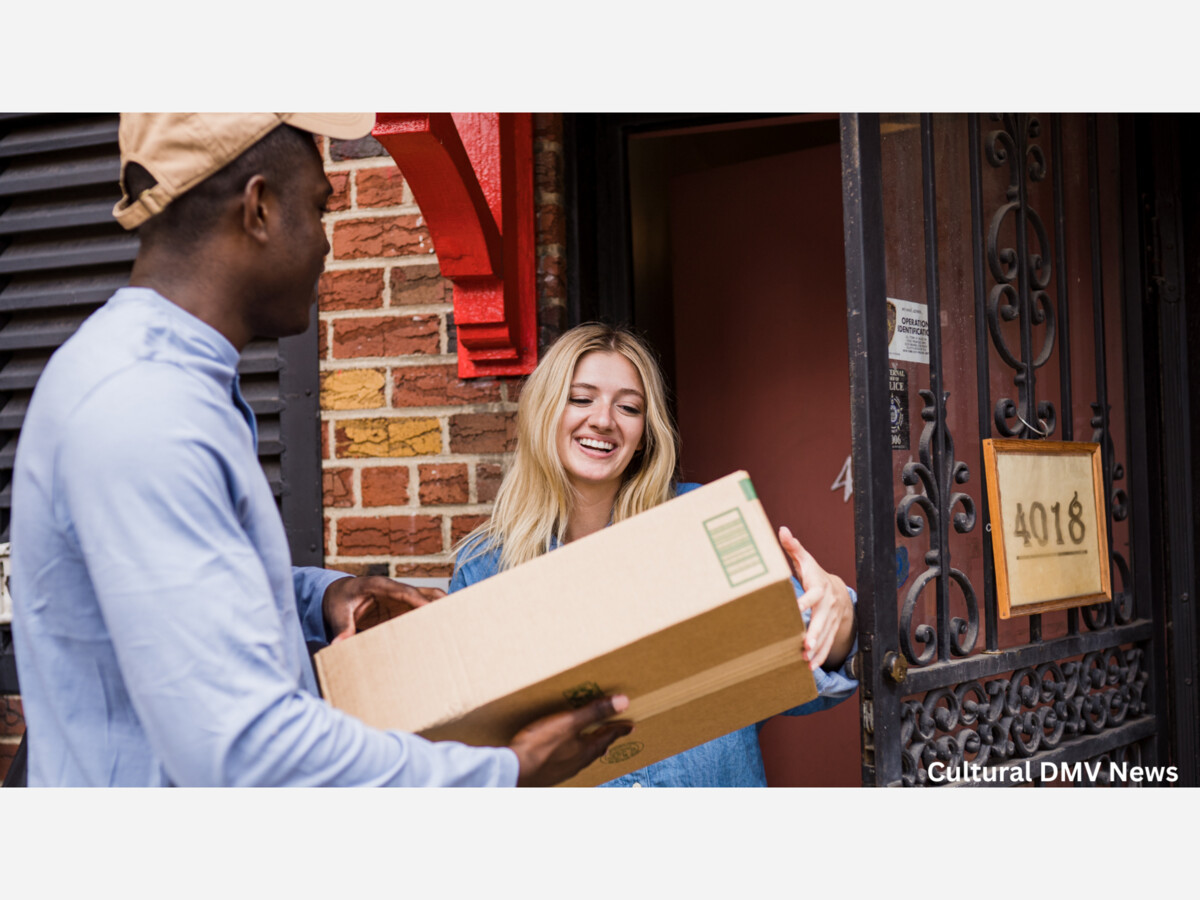
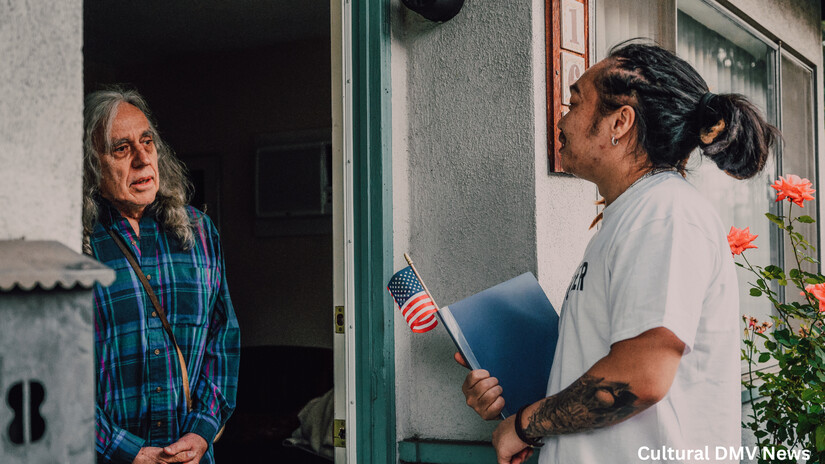
A neighbor who received the wrong package making sure he brought it to the right house one street over.



Week 3
This is the most data-rich moment in human history.
A phone knows when its owner wakes up. A watch knows when they're stressed. A grocery card knows they bought almond milk last Tuesday and will probably buy it again this Tuesday. Spoiler: they do.
None of this is evil. It's convenient. It's efficient. It's why packages show up in two days and playlists somehow know exactly when a listener is in a vibey-but-not-sad mood.
But here's what the third week of this series keeps circling back to:
Data connects people to things. Community connects people to people. And those two are not the same.
Drive through any suburb in the DMV and the pattern appears. Neighborhoods where every porch has a Ring camera, every dinner decision is crowdsourced from strangers on Yelp, and every recommendation comes from an algorithm that has never tasted anything.
Daily life has been outsourced to aggregates.
And look — this isn't a nostalgia argument. The past had plenty of problems. Limited food options. Waiting for the bus in the rain with no idea when it was coming.
But somewhere in the trade, something subtle slipped away.
People stopped knowing their neighbors' names because they don't need to borrow sugar anymore. It can be Instacarted by noon.
They stopped asking the butcher what's good because an app already shows what's trending.
They stopped waving at the familiar face on the morning walk because the earbuds are in and the podcast is already queued.
No single decision caused this. It just eroded. Quietly. Conveniently.
Data is excellent at telling you what people do. It is terrible at telling you why they care.
Analytics will show that 847 people clicked a link. They won't show that three of them were crying when they did it.
Metrics will prove that Saturday at 2 PM is peak engagement. They won't show that it's because Ms. Janice's church group finishes service at 1:30 and they all walk to the corner store together — a tradition that has outlasted three pastors and one riot.
Data sees the shape of behavior. Community holds the meaning inside it.
This isn't a call to throw away smartphones or move to a cabin.
It's a request to notice what's fading while everyone is busy optimizing.
The diner where the waitress knew the regular's order before they sat down — replaced by a kiosk.
The barbershop where young men learned who was running in the next election — replaced by an algorithm feed.
The block party that didn't need an RSVP — replaced by a neighborhood app post about a suspicious car that turned out to be someone's visiting aunt.
None of these things disappeared because of one bad decision. They eroded. Slowly. Conveniently. One "there's an app for that" at a time.
There's no villain in this story. The engineers aren't evil. Most of them. The ones who added "are you still watching?" probably have a conscience somewhere. The users aren't lazy — they're just tired. Everyone is swimming in a current that feels like choice, even if that current is really just 47 notifications about someone's sourdough starter.
But there is a question worth asking — especially on a quiet Easter Monday morning before the notifications start screaming:
If the data disappeared tomorrow, would your community still know how to find you?
The phone knows your location.
The watch knows your heartbeat.
The algorithm knows your taste.
But the lady two doors down?
She just knows you haven't waved back in three weeks.
And that's not a data problem. That's a we stopped trying problem.
This is the third installment of "Before It's Gone," a Monday series about the quiet losses we don't notice until they're almost past. Week 1 was about the 1934 Polychrome Houses in Silver Spring. Week 2 was about car and motorcycle shows moving indoors. Week 4 is already writing itself in a notebook somewhere.
If something in your DMV neighborhood is fading — and you want someone to write about it before it's gone — reach out to CulturalDMVNews@Proton.me
#BeforeItsGone #CommunityOverClicks #DMVStories #CulturalDMV #DataAndLife



Sunny, with a high of 62 and low of 47 degrees. Overcast in the morning, clear for the afternoon and evening, light drizzle overnight.